A healthy immune system helps you stay resilient through seasonal shifts, demanding schedules, and everyday stress. Movement, mindful breathing, and deep relaxation work together to protect your body, and yoga combines all three into one balanced practice. Through improved circulation, organ stimulation, stress reduction, and nervous system regulation, yoga supports the body’s natural defenses. Practicing targeted poses regularly helps the body recover faster and respond more effectively to illness.
Yoga strengthens immune health by boosting blood flow, activating the lymphatic system, and lowering cortisol levels. Blood delivers white blood cells and nutrients throughout the body, while the lymphatic system removes waste and toxins. Since lymph flow depends on movement, gentle compression from yoga postures keeps it circulating. Calm breathing further reduces inflammation, allowing the immune system to function efficiently.

Bridge Pose
Bridge Pose is a mild backbend that opens the chest, energizes the thyroid gland, and enhances circulation. The thyroid plays an essential role in hormone balance and immune regulation, helping maintain steady energy levels and a stable immune response.

Lie on your back with knees bent and feet flat on the floor, hip-width apart. Rest your arms alongside your body. Press your feet and arms into the mat as you lift your hips upward. Keep your thighs and inner feet parallel. Hold for 30 seconds to one minute while breathing evenly through your nose, then slowly lower down.
This pose encourages deeper breathing by opening the chest and lungs, increasing oxygen intake and supporting white blood cell production. It also aids digestion, which improves nutrient absorption closely tied to immune strength.
Camel Pose
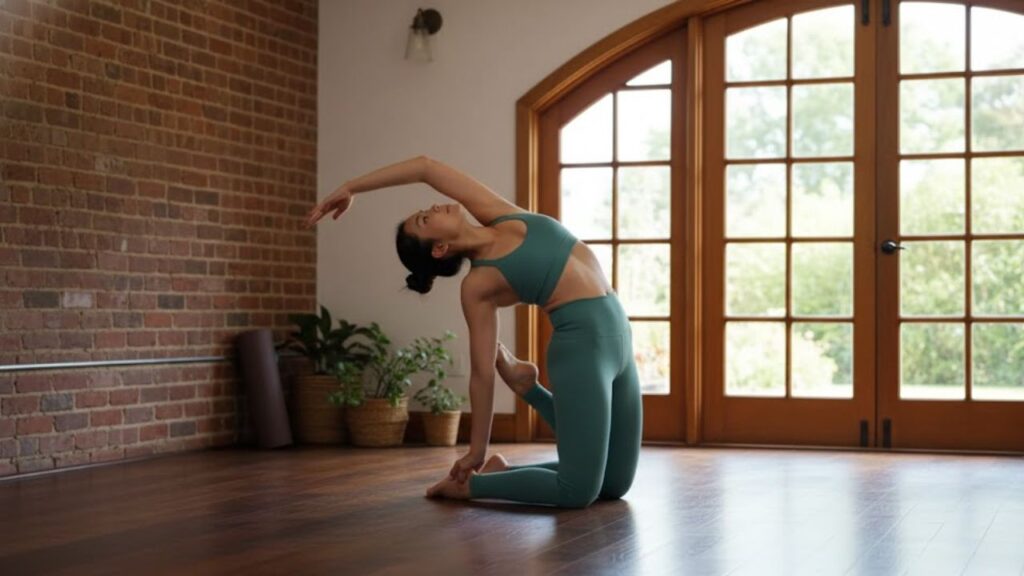
Camel Pose opens the front of the body and activates the thymus gland, which is responsible for developing T cells that identify and eliminate infected cells.
Kneel with your knees hip-width apart. Place your hands on your lower back or reach for your heels. Lift your chest while keeping your hips aligned over your knees. Gently allow your head to fall back if comfortable. Hold for 20 to 40 seconds with slow, steady breathing, then return upright carefully.
By expanding the chest fully, this pose improves lung capacity and supports lymph movement. Deeper, more efficient breathing helps the body manage stress and respond more effectively to illness.
Legs Up the Wall (Viparita Karani)
Legs Up the Wall is a restorative inversion that promotes lymphatic drainage and improves circulation without requiring strength or flexibility. It refreshes the upper body while easing tired legs.
Sit beside a wall and swing your legs upward so they rest vertically against it. Relax your back on the floor and place your arms by your sides, palms facing up. Close your eyes and breathe slowly for five to ten minutes, releasing tension from your shoulders and jaw.
This gentle inversion helps clear waste from tissues, allowing immune cells to move freely where they are needed. It also calms the nervous system, lowering stress hormones that can weaken immune function.
Cobra Pose
Cobra Pose strengthens the back, opens the chest, and stimulates the heart and lungs. This gentle backbend encourages fuller breathing and better airflow.
Lie on your stomach with legs extended. Place your palms beneath your shoulders. Inhale and lift your chest while keeping your lower ribs grounded. Relax your shoulders away from your ears. Hold for 20 to 30 seconds with steady breathing, then lower gently.

This pose tones the abdominal organs, supporting digestion and gut health. Since much of the immune system resides in the gut, healthy digestion plays a vital role in stronger immune defenses.
Downward Facing Dog
Downward Facing Dog stretches the entire body while increasing circulation. With the heart positioned above the head, fresh blood flows toward the upper body and brain, supporting oxygen delivery and immune cell activity.
Start on hands and knees, spreading your fingers wide. Lift your hips upward and back to form an inverted V shape. Let your heels reach toward the floor and relax your head between your arms. Breathe deeply for 30 seconds to one minute before releasing.
This pose relieves tension from the spine and shoulders, especially after long periods of sitting. Reduced tension leads to lower stress levels, better sleep, and improved immune resilience.
Seated Forward Fold
Seated Forward Fold is a soothing posture that encourages relaxation and lowers cortisol. Persistently high cortisol weakens immune response and increases inflammation.
Sit with legs extended forward. Inhale to lengthen your spine, then exhale as you hinge from your hips and fold forward. Keep your spine long rather than rounded. Hold for 30 to 60 seconds with natural breathing, then release slowly.
Forward folds gently massage internal organs, calm the nervous system, and promote slow, deep breathing. When the body enters a rest-and-repair state, it can dedicate more energy to immune function.
How to Practice for Maximum Immune Support
For best results, practice these poses three to five times per week. Begin with Downward Facing Dog to warm up, followed by Cobra or Camel Pose to open the chest. Move into Bridge Pose, then finish with Legs Up the Wall and Seated Forward Fold for deep relaxation. Spend five to ten minutes on each pose or adjust based on your schedule.
Support your practice with proper hydration and balanced nutrition. Foods rich in antioxidants, vitamin C, vitamin D, zinc, and probiotics help strengthen immune response. Adequate sleep and regular movement such as walking or cycling further enhance circulation and lymph flow.
Breathing technique also plays a crucial role. Diaphragmatic breathing stimulates the vagus nerve, calming the body and lowering stress hormones. Slow nasal inhales and extended exhales signal safety to the nervous system, allowing immune processes to work more efficiently.
Your immune health is shaped by daily habits. Yoga offers a gentle, effective way to support it by improving circulation, reducing stress, and encouraging restorative states that promote healing. With consistent practice, both body and mind grow stronger, and the immune system naturally follows.