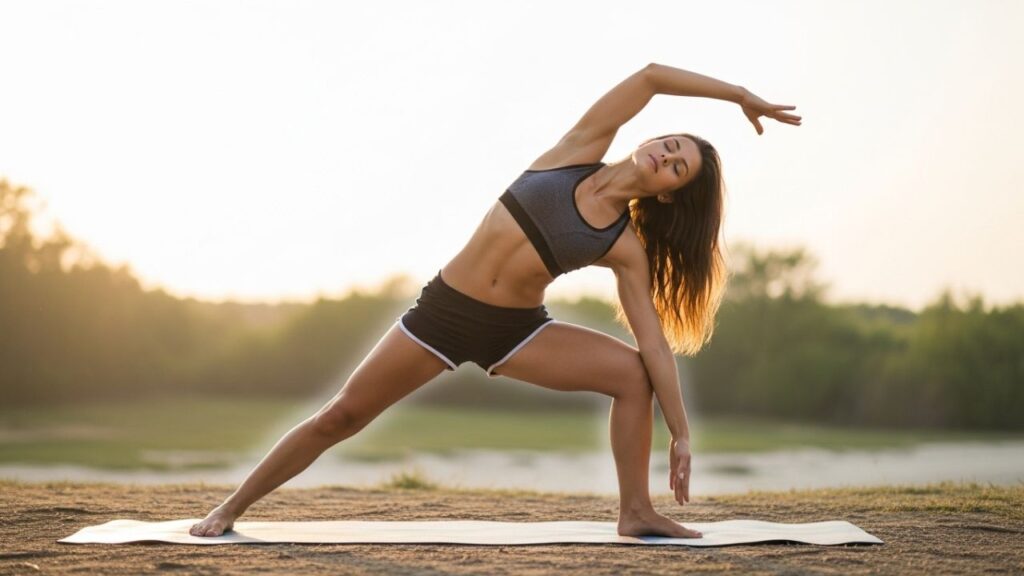
Long-term fitness focuses on building strength and flexibility in ways that last for years rather than pushing your body too hard. Yoga fits this approach perfectly because it combines mindful movement with controlled breathing. Instead of looking for quick results yoga teaches you to stay consistent & pay attention to what your body needs. This awareness helps maintain physical health throughout your life. The seven yoga poses described here work especially well for supporting fitness over time and making everyday movements easier and more effective.
Why Yoga Supports Long-Term Fitness
Yoga works on many parts of your body at once. It builds muscle strength and protects your joints while improving how you stand and sit. It also sharpens your mental focus. Unlike running or jumping exercises that can be hard on your body, yoga is gentle on your joints. This makes it a good choice for people at any age. When you practice yoga regularly, your body becomes less stiff and moves more easily. You also lower your chances of getting hurt during other activities. Another benefit of yoga is that you can adjust it to fit your needs. As you get older or your fitness level changes you can modify the poses to keep them safe and helpful. This makes yoga something you can stick with for years as a reliable way to stay healthy.

Mountain Pose for Posture and Stability
Mountain Pose serves as the base for most standing yoga positions. It helps you learn correct body alignment and makes you more aware of how your body stands & moves. Stand up straight with your feet flat on the ground and your spine stretched tall. Tighten your core muscles slightly while keeping your shoulders relaxed and breathing at a steady pace. Doing this pose regularly makes your posture better and improves your balance & body awareness. It also fixes alignment problems that affect how you move every day and keeps your joints healthy over time.

Downward Facing Dog for Full-Body Strength
Downward Facing Dog is a well-known yoga pose that works to strengthen and stretch your whole body. It helps maintain long-term fitness by improving mobility and blood flow. Start on your hands and knees then lift your hips up while straightening your legs to a comfortable degree. Push your hands firmly into the mat & extend your spine. This position builds strength in your arms and shoulders while stretching your hamstrings and calves. It promotes a healthy spine and helps reduce tension that builds up from sitting for extended periods.
Warrior II for Lower-Body Strength
Warrior II develops leg strength and stamina while enhancing your balance and concentration. These benefits become increasingly important for maintaining an active lifestyle as you get older. To perform this pose you should step one foot behind you and bend your front knee while stretching both arms out horizontally to each side. Direct your gaze straight ahead and keep it fixed on one point. When you maintain this position you work the muscles in your thighs and hips which helps stabilize your joints & sharpens your mental clarity. Building strong leg muscles decreases your chances of falling and helps preserve your ability to move freely over time.
Tree Pose for Balance and Coordination
Balance naturally declines with age and that makes Tree Pose an important part of long-term fitness. Stand on one leg and place the sole of the opposite foot on your calf or inner thigh. Bring your hands together at your chest & focus on a steady point. This pose improves balance and strengthens the ankles while enhancing coordination. Regular balance practice supports confidence in daily movement.
Plank Pose for Core Strength
A strong core supports the spine & helps protect against back pain. Plank Pose builds core strength without complex movement. Begin on your hands & knees and then step your feet back to form a straight line from head to heels. Keep your shoulders aligned over your wrists & engage your abdominal muscles. Holding Plank Pose strengthens the core and arms and shoulders. Improved core stability supports posture and reduces injury risk over time.

Bridge Pose for Spine and Hip Health
Bridge Pose strengthens the back of the body and opens the hips. These areas often become tight or weak with age. Lie on your back with your knees bent and feet flat on the floor. Press into your feet and lift your hips upward. Keep your shoulders grounded during the movement. This pose strengthens the glutes and lower back. It improves spinal flexibility at the same time. The exercise also supports healthy posture and hip mobility.
Child’s Pose for Recovery and Relaxation
Recovery matters just as much as building strength when you work toward lasting fitness goals. Child’s Pose gives your body the chance to rest and reset after physical effort. Start by kneeling on your mat and then fold your upper body forward until your forehead touches the ground. Allow your arms to rest in a comfortable position and focus on breathing at a slow and steady pace. This position provides a gentle stretch for your back and hip areas while it helps calm your nervous system. Making time for regular relaxation supports your body’s recovery process and reduces the risk of burnout from overtraining.
Practicing These Poses Safely
Regular practice of these movements helps build strength and improve flexibility over time. The key is to move at your own pace and pay attention to how your body feels during each position. Start by moving slowly & concentrate on getting your body position right instead of trying to go too deep into the pose. Keep your breathing steady and even as this helps your muscles relax and reduces tension throughout your body. If you find certain positions challenging you can use yoga blocks or cushions to make them easier and more comfortable. The most important thing is to practice regularly rather than pushing yourself too hard. Doing these poses a few times each week will help you see gradual improvements in your overall fitness that last over time. Listen to your body and adjust the movements as needed to suit your current fitness level.
Adapting Yoga as the Body Changes
Understanding Yoga Modifications One of yoga’s greatest strengths is its adaptability. Poses can be adjusted to suit different abilities & life stages. Listening to the body and making thoughtful modifications ensures long-term sustainability in practice.
Creating a Balanced Yoga Routine
A Complete Yoga Routine for Balanced Fitness A well-rounded yoga practice should include exercises that build strength and flexibility while also improving your balance and giving your body time to recover. When you combine these elements together you create a foundation for better overall fitness and movement that supports your physical health over the long term. This collection of seven yoga poses works together to give you all of these benefits. Each pose serves a specific purpose in developing your body’s capabilities.