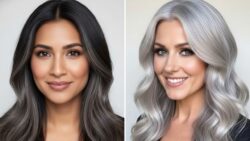
For years, fighting grey hair meant enduring harsh dyes, noticeable streaks, and constant salon visits. Today, colourists favor subtle, intelligent techniques that integrate ageing hair rather than battling it directly.
The Quiet Revolution Against Visible Grey
In many Western countries, the first silver strand is often seen as a threat to youth rather than a sign of wisdom. Social pressure pushes individuals in their 30s, 40s, and 50s to hide greys quickly, sometimes using aggressive colouring routines that can damage hair and finances alike.

Traditional full-head dyes create uniform colour but have a major downside: as roots grow, the contrast between artificial shades and natural grey becomes stark, forcing salon visits every four to six weeks.

Highlights and balayage initially softened the issue by scattering lighter streaks through hair, blending greys into a multi-tonal look. Yet, as more people develop widespread white hair, even balayage has limits.
Classic highlights or balayage alone often fail once greys extend across the whole head. Ageing hair also changes in texture—becoming drier, more porous, and less receptive to strong dyes, which may lift pigment but leave strands brittle. Clients now seek methods that mask grey without damaging hair or creating an artificial look.
Understanding Colour Melting and Its Popularity
A newer salon technique, called “melting” or “colour melt”, has emerged as a modern alternative to balayage. Rather than promising eternal youth, it offers soft, seamless colour with almost invisible regrowth.
From Sharp Lines to Gentle Transitions
Colour melting uses several closely related shades instead of one or two. These tones are blended so the eye cannot detect where one ends and the next begins. Roots, mid-lengths, and ends flow together, eliminating stark stripes.
The result is a gradient so subtle that natural hair and dye merge effortlessly to casual observers.
Instead of bright streaks, stylists select two to four tones near your natural shade—slightly darker, matching, and a few lighter—applied in fine sections to mimic a natural sun-fade effect.
How Colour Melting Differs from Balayage
- Balayage: Visible light panels and streaks; roots show contrast; best for lightening mid-lengths and ends.
- Colour Melting: Soft gradient with minimal lines; grey blends naturally; ideal for integrating grey while preserving natural base.
Balayage still works for dramatic lightening and beachy looks, but colour melting softens harsh lines and extends time between salon visits for those with grey across the crown and hairline.
Melting Grey Without Losing Your Natural Look
Colour melting doesn’t just cover grey—it reframes it. Your natural base remains visible while the eye is drawn to a cloud of harmonious tones. Grey strands appear as reflective highlights rather than intrusions.

Steps in the Salon Chair
- Consultation: The stylist evaluates grey distribution and natural undertones.
- Tone Mapping: A small palette of shades is selected—some cooler, some warmer, some lighter.
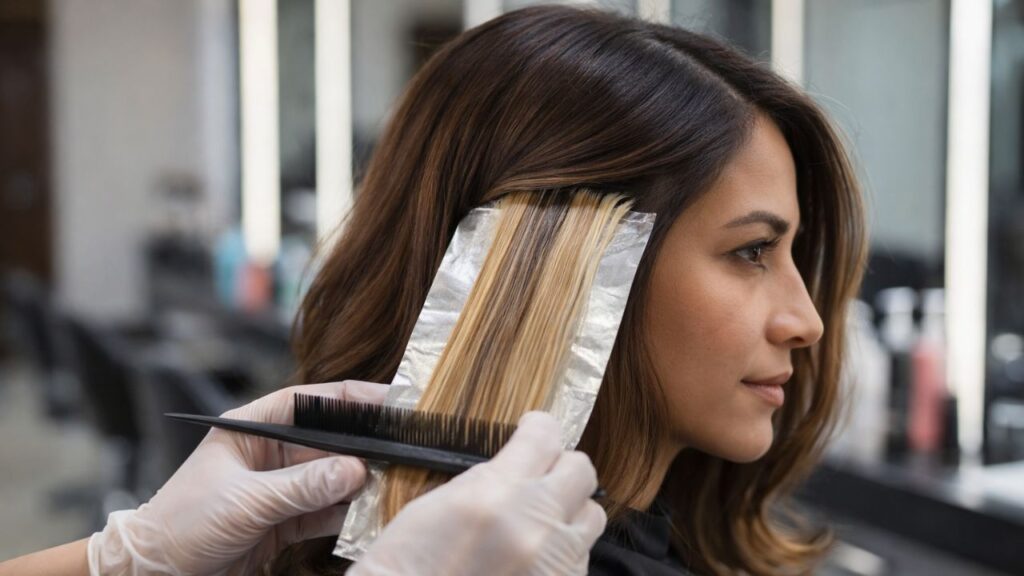
- Application: Colour is applied in ultra-fine sections, often diagonally, preventing hard lines.
- Blending: A comb, brush, or fingers soften joins between shades for seamless transitions.
- Gloss: A semi-permanent glaze adds shine and adjusts warmth or ashiness.
The focus is on movement and nuance, wrapping grey hairs in a gradient so they read as natural reflections rather than distractions.
Why Maintenance Feels Easier
Respecting natural root colour makes regrowth less jarring. New silver hairs blend into the gradient, extending appointments to every eight to twelve weeks instead of four. Many stylists use demi-permanent dyes that fade gently, ideal for hair weakened by age, hormones, or heat styling.
Who Benefits Most from Colour Melting?
The technique suits all shades, from deep brunette to light blonde. It is ideal for those wanting a polished, natural look rather than a full transformation.
Ideal Candidates
- Individuals with 20–70% grey who wish to retain their natural base colour.
- Anyone frustrated by block dye or sharp root lines.
- Professionals needing a groomed appearance without monthly touch-ups.
- Those with textured or curly hair, where highlights can appear patchy.
- Clients moving from heavy balayage to a softer, mature style.
Palettes vary by hair type: deep chocolate to soft caramel for brunettes, dark beige to cream for blondes, and copper to golden tones for redheads.
Limitations, Risks, and Questions for Your Stylist
Colour melting requires skill; poorly executed melts can appear muddy or patchy. Success relies on the stylist’s expertise in micro-blending.
Before booking, ask:
- Which dyes will be used—permanent, demi-permanent, or a mix?
- How many shades are in the melt and how close to natural colour?
- Realistically, how often will I need appointments?
- Which home care routine maintains softness and shine?
First-time melts may cost more than a root retouch, but longer intervals between visits can balance expenses over time.
Lifestyle Choices That Support Grey Management
Ageing hair care extends beyond colour. UV exposure, heat styling, medications, and stress can affect pigment. Clients often pair melting with hydrating masks, UV-protection sprays, gentler shampoos, and reduced heat use to enhance shine and soften grey reflections.
Why “Natural, But Better” Is the Lasting Trend
Colour melting reflects a cultural shift: some embrace full grey, while others prefer a subtle enhancement. The technique negotiates with age—blending, softening, and reframing grey rather than denying it. For many, this balance feels more realistic than chasing a uniform, frozen shade.