Yoga goes beyond simple exercise or stretching routines. It functions as a daily practice that addresses both physical & mental wellness together. Regular yoga practice naturally develops balance and strength while promoting calmness & mental clarity. You don’t need extended sessions or complicated poses to experience positive results. Simple daily yoga practice can enhance your movement patterns and thought processes while helping you manage everyday stress more effectively. Here are seven straightforward reasons why yoga benefits your physical & mental health.
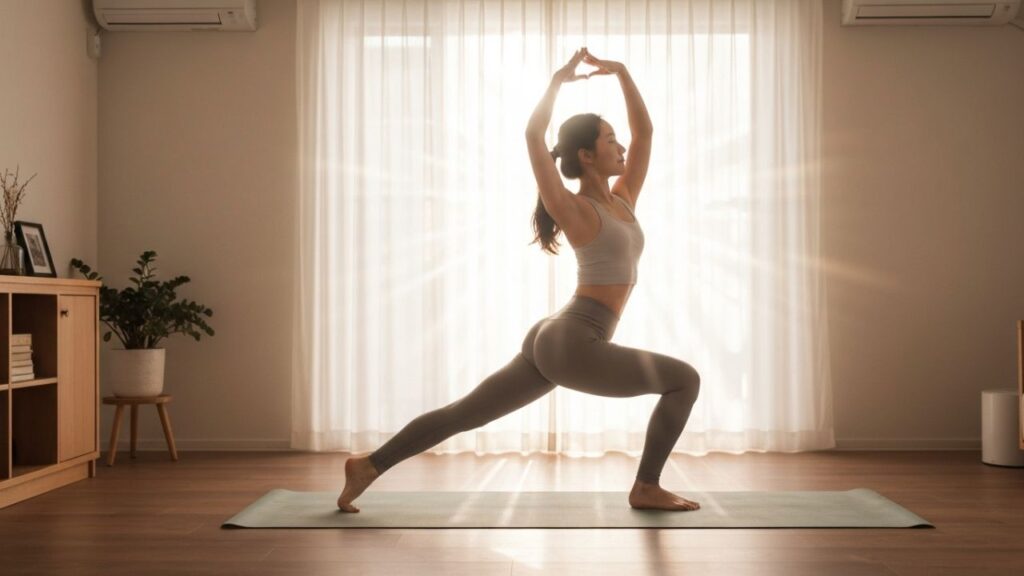
How Yoga Builds Natural Strength Without Bulking the Body
Yoga Builds Strength Through Body Weight Yoga develops strength by using your own body weight as resistance. Poses such as plank chair pose, warrior, & downward dog engage multiple muscle groups at once rather than focusing on just one area. This approach creates balanced strength that helps with everyday activities. With regular practice your legs become more stable your core provides better support, and your arms gain strength. Unlike high-intensity workouts, yoga strengthens muscles without adding extra stress to your joints, which makes it appropriate for people of all ages.

Why Daily Yoga Improves Flexibility and Releases Deep Stiffness
Daily yoga helps loosen up muscles that get tight from sitting too much or doing the same movements at work. Your hips and lower back along with your neck and shoulders start feeling better pretty fast when you stretch regularly. When your body becomes more flexible you notice that everyday tasks feel easier and more natural. Less stiffness means you are less likely to pull a muscle and you can move around better in general. You do not have to twist yourself into crazy positions to see results. Just doing basic poses on a regular basis works well enough.

The Powerful Connection Between Yoga, Breath Control, and Calmness
One of the strongest benefits of yoga is improved breathing. Yoga teaches you to breathe slowly & deeply. This type of breathing helps calm your nervous system. After practicing for a while this breathing pattern becomes automatic. You might find yourself staying calmer when dealing with stressful situations or having difficult conversations or handling busy moments. Better breathing increases oxygen flow throughout your body. It supports your energy levels throughout the day. It also reduces feelings of anxiety & tension that build up from daily stress.
How Yoga Enhances Mental Focus and Emotional Stability
Yoga links physical movement with mindful awareness to help reduce mental clutter. When you practice yoga your focus remains on breathing and body position. This gives your mind a rest from nonstop thoughts. Over time this practice strengthens your ability to concentrate and think more clearly. Many practitioners notice they become more patient and emotionally steady in their everyday activities. Their ability to focus also improves. Yoga will not make your problems disappear but it teaches you to handle challenges with a calmer and more clear-headed approach.
Why Yoga Is a Proven Natural Tool for Stress Reduction
Stress impacts your physical health and mental state at the same time. Yoga works to release the tension that builds up in your muscles while also soothing your nervous system through focused breathing techniques. This dual approach reduces stress in a natural way without requiring medication or complex interventions. When you practice yoga consistently over time, everyday problems and minor obstacles become less overwhelming and more manageable. Many people find that their emotions become more stable their sleep quality improves significantly, and they experience less exhaustion from mental work. Yoga essentially provides a dedicated time & space where you can refresh both your physical body and your mental state on a daily basis.
How Yoga Corrects Posture and Boosts Body Awareness
Poor posture happens often because people spend so much time on their phones & sitting at desks. Yoga builds up the muscles that hold your spine in place and makes you more aware of how your body should line up. This means sitting and standing straight starts to feel normal instead of forced. When your posture improves you’ll notice less pain in your neck and your shoulders won’t feel as tight. Your back will also hurt less throughout the day. The way yoga teaches you to pay attention to your body helps you move better when you’re doing regular activities. You’ll learn to lift things correctly & move in ways that don’t strain your muscles or joints. This awareness stays with you even when you’re not practicing yoga.

Yoga’s Role in Better Sleep and Faster Body Recovery
Yoga & Better Sleep Yoga helps your body relax after a long day. When you do gentle stretches & focus on your breathing, your body gets ready for rest. This makes falling asleep easier & helps you sleep through the night without waking up. When you sleep better you feel the benefits in many ways. Your mood improves and you can focus better during the day. Your body also recovers faster from physical activity and daily wear and tear. You might think yoga only works at night, but doing it in the morning helps too.
Why Yoga Works Holistically for Both Body and Mind
Yoga is effective because it addresses the body and mind together as a single unit. The physical movements build both strength & flexibility in your muscles & joints. The breathing techniques help settle your nervous system and reduce stress responses. The mental awareness you develop sharpens your ability to concentrate and helps you manage your emotions better. All these elements work together and reinforce each other to produce lasting improvements in your overall health. When you make yoga a regular part of your routine it transforms into something beyond just a workout. It turns into a daily tool that helps restore balance to your whole system.
A Simple and Sustainable Way to Begin Daily Yoga Practice
You do not need a complicated routine to get started. Begin with basic poses such as cat cow downward dog, gentle lunges, forward fold and seated twists. Include a few minutes of slow breathing at the end of your session. Ten to fifteen minutes each day is sufficient to experience real change in how you feel. Consistency matters more than intensity when building a sustainable practice.
Making Yoga a Realistic Habit in Everyday Life
Yoga works in everyday life because it adjusts to your needs. Your practice might feel powerful on some days and gentle on others. Both types matter. You can do it at home without much room or any special gear. As time passes yoga changes the way you move and breathe and think. Yoga helps your body by making you stronger and more flexible while improving your balance. It helps your mind by lowering stress and sharpening concentration while supporting your emotions. These seven benefits show why yoga stays one of the best and most lasting practices for your overall health.