Five Simple Yoga Poses Perfect for Complete Beginners Starting yoga for the first time can feel intimidating when social media shows advanced poses and complex routines. The reality is that yoga should be accessible and adaptable for everyone. Beginners gain the most from simple poses that emphasize breathing and body awareness along with basic alignment. These five easy yoga poses work well for newcomers who want to improve flexibility and reduce stress while building a strong foundation without feeling overwhelmed.
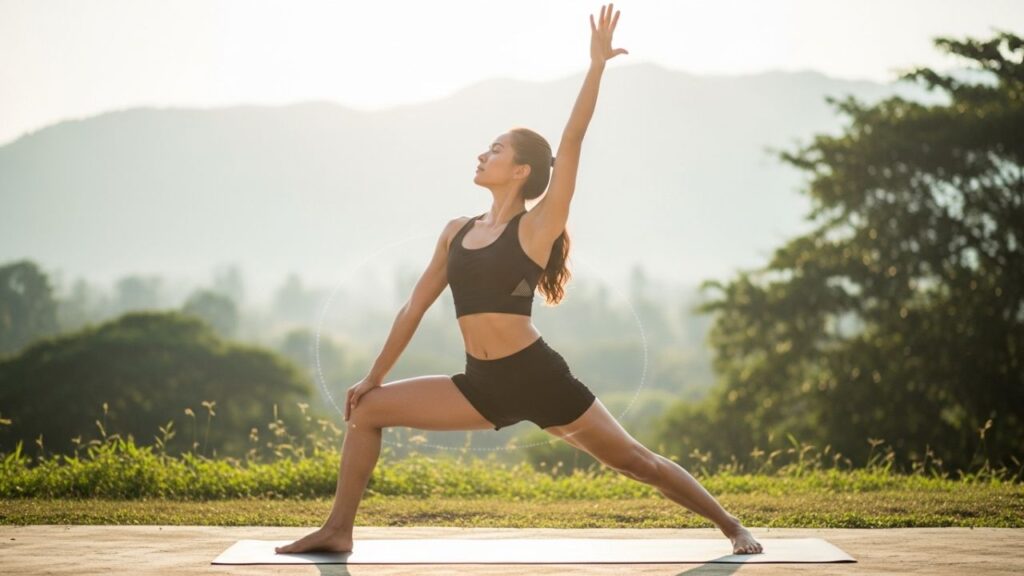
Start Your Yoga Journey: Why Simple Poses Work Best for Beginners
When you start practicing yoga your body needs time to learn how to move with awareness. Simple poses let you concentrate on your posture and breathing rather than fighting to stay balanced or build strength. These basic movements help your joints move more freely & reduce muscle tightness while calming your mind. Regular practice of fundamental poses also reduces your chance of getting injured & increases your confidence which makes it simpler to advance at your own pace.

Grounding with Mountain Pose: Find Balance and Stability
Mountain Pose is often the first pose taught in yoga because it builds the foundation for all standing postures. Stand with your feet hip width apart & arms resting by your sides. Distribute your weight evenly across both feet. Gently engage your legs and core while lifting your chest and lengthening your spine. Relax your shoulders and take slow deep breaths. This pose improves posture and body awareness and balance. It also helps beginners understand how proper alignment feels in a standing position.

Flow Through Cat-Cow Pose: Loosen Your Spine and Improve Flexibility
Cat Cow is a gentle flowing movement that warms up the spine and releases tension. Start on your hands and knees with your wrists positioned under your shoulders and your knees under your hips. Breathe in as you arch your back and lift your chest while looking slightly upward. Breathe out as you round your spine and draw your chin toward your chest. Move slowly between these two positions for several rounds of breathing. This pose improves spinal flexibility and helps reduce stiffness which makes it an excellent warm up for beginners.
Relax with Child’s Pose: Release Tension and Calm Your Mind
Child’s Pose is a deeply relaxing position that lets your body rest and reset. Start by kneeling on the floor and bringing your big toes together while sitting back on your heels. Reach your arms forward & lower your forehead toward the mat. You can place a cushion under your hips or head if you need extra support. This pose gently stretches your back and hips while calming your nervous system. Beginners can return to Child’s Pose whenever they need to during practice to regain comfort and focus.
Stretch Safely with Seated Forward Bend: Ease Hamstrings and Lower Back
Seated Forward Bend is a basic stretch that helps make your back and legs more flexible. Start by sitting on the floor with your legs straight out in front of you. Take a breath in to make your spine longer and then breathe out as you bend forward from your hips. Try to reach toward your shins or ankles but don’t push yourself too hard. Make sure your neck stays loose and keep breathing at a steady pace. This position is good for releasing tightness in your lower back and helps you feel more relaxed. It works well for people who are just starting out and sit down for most of the day.

Strengthen Your Back and Glutes with Bridge Pose
Bridge Pose is a gentle backbend that strengthens the legs and back while opening the chest. Lie on your back with knees bent and feet flat on the floor at hip width apart. Press your feet into the mat and lift your hips slowly. Keep your arms by your sides & roll your shoulders under slightly. Hold for a few breaths & then lower down with control. This pose improves spinal strength and supports better posture. It also boosts confidence in beginners who are exploring backbends for the first time.
Practical Tips for New Yoga Practitioners: Build Confidence Safely
As a beginner you should pay attention to what your body tells you & progress at a speed that feels right. Make sure to breathe deeply & steadily while holding each pose. Do not force yourself into painful positions or worry about how you compare to other people. Using a non slip mat & wearing clothes that allow easy movement will help make your practice more pleasant. Spending just ten to fifteen minutes each day on yoga can produce clear improvements in how flexible you feel and how positive your mood becomes.
Designing a Beginner-Friendly Yoga Routine: Step-by-Step Approach
You can practice these five poses in a simple sequence by starting with Mountain Pose and ending with Child’s Pose. Hold each pose for five to ten breaths and move slowly between them. Over time you may feel stronger & more flexible & more relaxed. As confidence grows you can gradually explore additional poses or longer sessions. Yoga is a journey and not a race. By starting with these easy yoga poses beginners can build a strong and safe foundation while enjoying the physical and mental benefits that yoga has to offer.