Breathing is vital to everyday life, yet many people fail to use their lungs to their full potential. Yoga introduces mindful movements and breathing-focused practices that enhance lung expansion, support deeper inhalation, and improve overall respiratory efficiency. By developing awareness of each breath, yoga helps calm the mind, reduce tension, and optimize the body’s use of oxygen. Practicing specific poses regularly can strengthen breathing patterns and support healthier lung function over time.
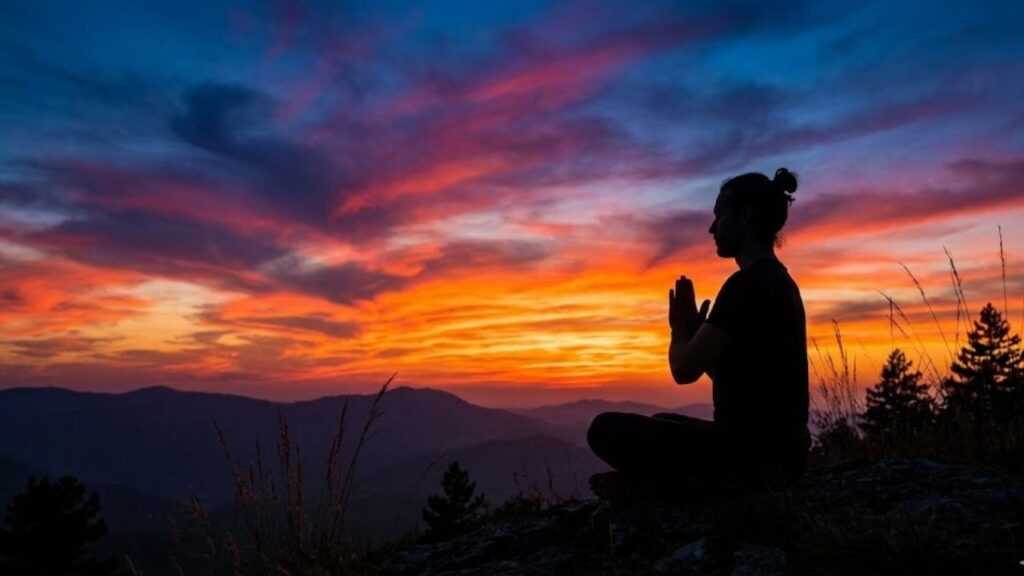
Top Yoga Poses That Support Better Breathing
1. Child’s Pose (Balasana)
Child’s Pose is a restorative posture that promotes relaxation and encourages slow, deep breathing. Kneel with your big toes together and knees apart, sit back on your heels, and extend your arms forward while lowering your forehead to the mat. As you breathe, allow your abdomen and chest to gently expand with each inhale.

This pose soothes the nervous system and supports diaphragmatic breathing, which is essential for improving lung capacity. It also releases tension in the back and hips, helping create a smoother, more natural flow of breath throughout the body.

2. Cat–Cow Pose (Marjaryasana–Bitilasana)
Cat–Cow is a rhythmic movement that links spinal mobility with conscious breathing. Begin on all fours with wrists under shoulders and knees under hips. Inhale as you drop the belly and lift the chest, then exhale as you round the spine and tuck the chin. Continue flowing with the breath for one to two minutes.
This sequence gently opens the chest and stimulates the diaphragm, allowing greater lung expansion. It also improves spinal flexibility and encourages steady, deep breathing with each controlled movement.
3. Mountain Pose (Tadasana)
Mountain Pose is a foundational stance that supports proper posture and mindful breathing. Stand tall with feet hip-width apart, arms relaxed by your sides, and palms facing forward. Engage your legs, lift through the chest, and soften the shoulders as you inhale and exhale fully.
Correct alignment in this pose creates space in the chest for deeper breaths. It also builds awareness of natural breathing patterns, making it an excellent starting point for developing better breath control.
4. Cobra Pose (Bhujangasana)
Cobra Pose is a gentle backbend that helps open the chest and encourage full inhalation. Lie on your stomach with hands under the shoulders, then press lightly into the palms to lift the chest while keeping elbows slightly bent. Roll the shoulders back and breathe deeply for 20 to 30 seconds.
This pose stimulates the lungs and strengthens the upper back, allowing for improved breath intake. Stretching the front of the body also supports better respiratory movement and control.
5. Bridge Pose (Setu Bandhasana)
Bridge Pose strengthens the lower body while expanding the chest and lungs. Lie on your back with knees bent and feet grounded. Press into the feet to lift the hips upward, keeping arms relaxed by your sides or clasped underneath. Hold while breathing steadily for up to one minute.
By lifting the chest and widening the ribcage, this pose supports enhanced airflow. It also eases tension in the neck and shoulders, helping make each breath feel more open and comfortable.

6. Downward Dog (Adho Mukha Svanasana)
Downward Dog is an inversion that stretches the body while promoting deep, steady breathing. From all fours, lift the hips upward, straighten the legs, and press the heels toward the floor. Maintain the pose for 30 seconds to one minute while breathing smoothly.
This posture lengthens the spine and opens the chest, encouraging diaphragmatic breathing. It also improves circulation and helps calm the mind, both of which support more efficient respiratory function.
7. Fish Pose (Matsyasana)
Fish Pose is a heart-opening posture that directly targets the chest and lungs. Lie on your back, press your forearms into the mat, and lift the chest upward, allowing the head to tilt back gently. Hold the pose while breathing deeply for up to one minute.
This pose promotes full lung expansion and encourages slow, controlled inhalations. It also improves posture, making it especially helpful for counteracting the effects of prolonged sitting.
8. Seated Forward Fold (Paschimottanasana)
Seated Forward Fold is a calming stretch that encourages slow, mindful breathing. Sit with legs extended, lengthen the spine on an inhale, and fold forward from the hips on an exhale. Remain in the pose while breathing deeply into the stretch.
This posture supports belly breathing by expanding the diaphragm and creating space in the ribcage. It also relaxes the nervous system, which can positively influence breathing patterns.
9. Pranayama Breathing Practices
Pranayama focuses entirely on breath control and is essential for improving lung efficiency. Techniques such as Ujjayi, Bhastrika, and Nadi Shodhana train the lungs to hold and move air more effectively. These practices are performed with focused awareness rather than physical movement. Regular pranayama strengthens the diaphragm, increases oxygen intake, and promotes steady, balanced breathing. It also supports the healthy flow of energy throughout the body, enhancing overall well-being.
Final Thoughts on Yoga and Better Breathing
Yoga offers a holistic way to improve breathing by expanding the chest, increasing lung capacity, and encouraging conscious breath awareness. Practicing these nine techniques consistently can help reduce stress, support respiratory efficiency, and promote overall health. Whether the goal is better athletic performance or improved daily breathing, yoga provides a balanced approach that benefits both body and mind.