Cakey concealer is a common makeup frustration that many people in India face, especially in humid weather and long workdays. What starts as a smooth under-eye finish can quickly turn into visible creases, patchy texture, and an aged look. The real issue often isn’t the concealer itself but hidden prep and application mistakes that disrupt skin balance. Understanding why concealer cakes and how professionals fix it in seconds can completely change your makeup routine and help you achieve a natural, skin-like finish every time.
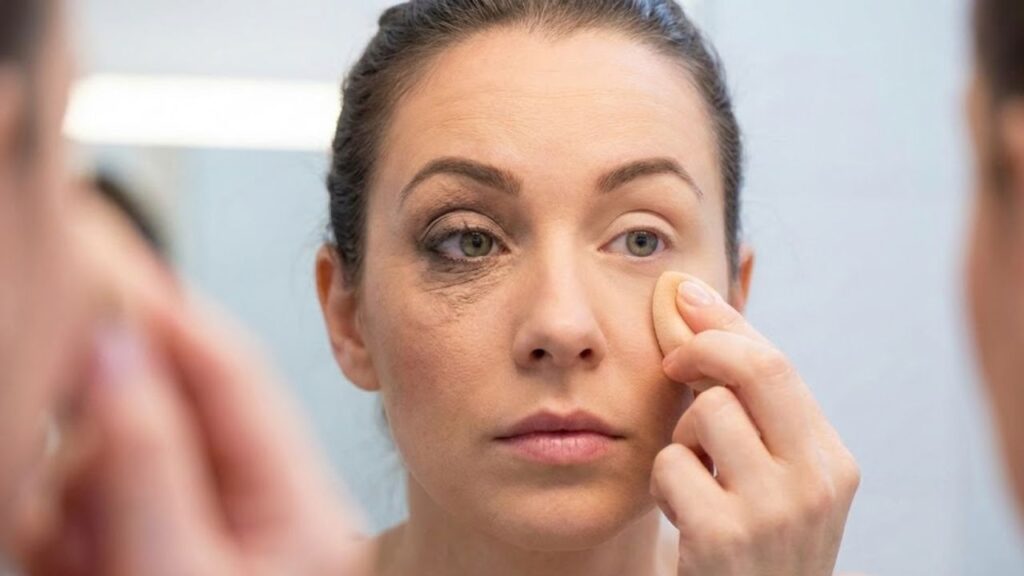
Cakey concealer causes that trigger creasing
The most overlooked reason behind cakey concealer is improper skin prep, not product quality. When the under-eye area lacks hydration, concealer clings to dry patches and settles into fine lines. Overusing powder is another culprit, as it removes necessary moisture and creates a heavy surface. Applying too much product at once also leads to buildup instead of coverage. Factors like dry under-eyes, product overload, uneven texture, and powder excess quietly work together to ruin the finish. Addressing these root issues creates a smoother base and prevents creasing before it starts.

Hidden reasons your concealer looks cakey
Even with good products, technique matters more than people realize. Using the wrong applicator can press concealer into lines instead of diffusing it evenly. Warm skin helps product melt naturally, but rushing application prevents this process. Skipping primer around the eyes can also reduce grip and longevity. Small habits like wrong applicator, cold skin, no eye primer, and fast blending quietly sabotage results. Slowing down and letting the product settle makes a noticeable difference in how smooth and natural concealer appears throughout the day.

10-second pro makeup solution for creasing
Professional makeup artists rely on a quick fix that takes less than ten seconds but delivers dramatic improvement. After applying concealer, they gently press it into the skin using warmth from their fingers or a damp sponge. This melts excess product while keeping coverage intact. A light tap of finely milled powder only where needed locks everything in place. This method focuses on controlled tapping, skin warmth, minimal powder, and targeted setting to prevent creases without heaviness or dryness.
Why technique matters more than product
Many people keep switching concealers, hoping for better results, but technique is the true game changer. When skin is properly prepped and products are layered lightly, even affordable concealers perform well. The goal is balance, not coverage overload. Paying attention to skin preparation, light layering, natural finish, and lasting smoothness helps concealer look fresh for hours. Once these habits are in place, cakey under-eyes become far less common and makeup feels more effortless.
| Common Issue | Main Cause | Quick Fix |
|---|---|---|
| Creasing | Dry under-eye area | Hydrating eye cream |
| Cakey texture | Too much product | Use thin layers |
| Patchy finish | Wrong applicator | Damp sponge tap |
| Heavy look | Excess powder | Light targeted setting |
Frequently Asked Questions (FAQs)
1. Why does my concealer crease so fast?
Creasing usually happens due to dryness, excess product, or too much powder.

2. Can I fix cakey concealer without removing it?
Yes, gently tapping with a damp sponge can smooth it instantly.
3. Is powder necessary for under-eye concealer?
Only a minimal amount is needed to set specific crease-prone areas.
4. Does expensive concealer prevent caking?
Good technique matters more than price when it comes to smooth results.