Core strength forms the base of balance, posture, and everyday movement. A well-developed core supports the spine, enhances physical performance, and helps lower the risk of injury. While core workouts are often associated with repetitive crunches and sit-ups, yoga provides a more complete method by activating deep core muscles such as the transverse abdominis, pelvic floor, and obliques. The following seven yoga poses can be practiced regularly to create a core that feels stable, resilient, and strong.
1. Boat Pose for Powerful Core Engagement
Boat Pose activates the entire core, including the deep stabilizing muscles. Sit with your knees bent and feet on the mat, then lean back slightly while lifting your feet off the floor. Keep the spine long, chest open, and arms extended forward at shoulder height. If possible, straighten your legs. Hold for 30 to 60 seconds while breathing steadily. This pose improves balance, coordination, and endurance while targeting the lower abdomen and hip flexors.

Regular practice leads to stronger abdominal muscles, better posture, and improved balance. Beginners can support themselves by holding the backs of the thighs. With time, aim to increase the hold duration while maintaining smooth breathing.

2. Plank Pose for Core Endurance and Control
Plank Pose is a highly effective posture for building core endurance. Begin in a high push-up position with hands under the shoulders and feet set hip-width apart. Draw the belly inward and press firmly through the hands, keeping the body aligned from head to heels. Hold for 30 seconds, gradually working up to two minutes.
This pose strengthens the rectus abdominis, obliques, and deep stabilizers while also working the arms, shoulders, and back. If the hips drop, pause and reset. To intensify the pose, briefly lift one leg or transition into a side plank.
3. Dolphin Pose for Abdominal and Shoulder Strength
Dolphin Pose is a forearm-based variation that increases core activation. Start on hands and knees, place the forearms on the mat shoulder-width apart, tuck the toes, and lift the hips upward. Keep the head relaxed between the arms and press firmly through the forearms. Engage the belly and lengthen the spine while holding for 30 to 60 seconds.
This posture builds core strength, shoulder stability, and upper-back endurance. It also stretches the hamstrings, calves, and feet. Beginners can step the feet closer to the elbows to ease intensity.
4. Forearm Side Plank for Oblique Stability
Forearm Side Plank effectively targets the obliques and side body. From forearm plank, shift weight onto the left forearm and stack the feet. Extend the right arm upward and lift the hips while keeping the core engaged. Hold for 20 to 45 seconds, then change sides.
This pose enhances balance and strengthens muscles used for twisting and side-bending movements. For extra stability, place the top foot slightly forward instead of stacking.
5. Bridge Pose for Lower Core Support
Although often viewed as a backbend, Bridge Pose also activates the lower abdominals and glutes, which are essential for core stability. Lie on your back with knees bent and feet hip-width apart. Press through the feet to lift the hips upward. Keep arms alongside the body or clasp hands beneath you. Hold for 30 seconds while gently drawing the belly inward.
This pose improves pelvic stability, strengthens the back body, and engages the deep muscles around the lower spine. It also opens the chest and hip flexors. For added challenge, lift one leg while maintaining level hips.

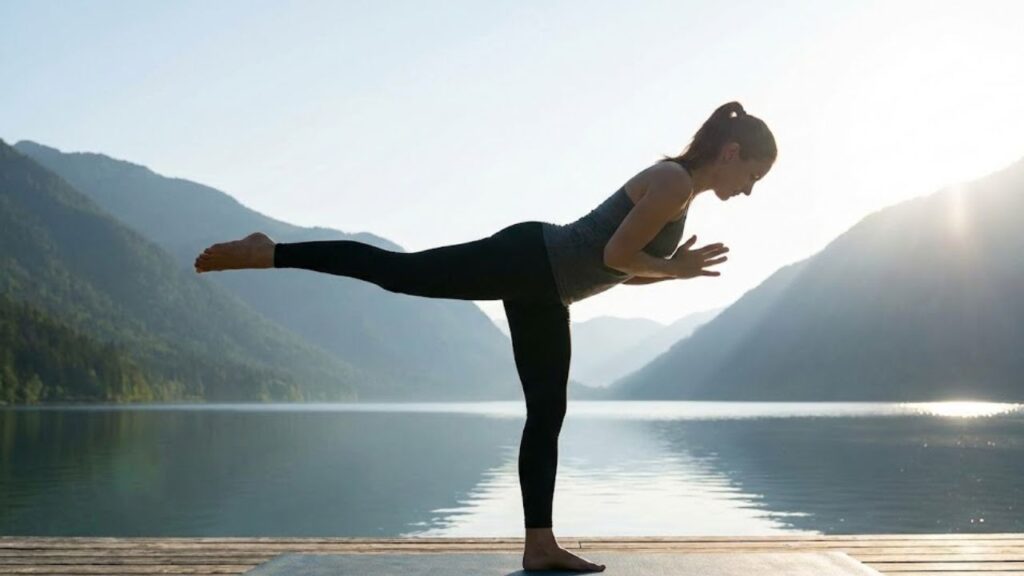
6. Warrior III for Balance and Core Control
Warrior III demands strong core activation to maintain balance. Begin standing, shift weight onto the left foot, and hinge forward while lifting the right leg behind you. Extend the arms forward and align the body from fingertips to toes. Keep hips square and the core firm. Hold for 20 to 40 seconds, then switch sides.
This balancing posture strengthens the entire core, particularly muscles responsible for stabilization. It also tones the legs, back, and shoulders. Beginners can use a wall or chair for added support.
7. Twisting Boat Pose for Oblique Strength
Once comfortable in Boat Pose, add gentle twists to increase oblique engagement. From the pose, place hands behind the head and rotate the torso slowly to the right and left. Keep the spine tall and movement controlled. Perform 5 to 10 twists per side while holding the pose.
This variation strengthens the waist muscles and builds rotational power useful for daily activities and sports. Focus on controlled motion and steady breathing rather than speed.
How Often to Practice for Best Results
Consistency is more important than long sessions. Aim to practice these poses three to five times per week. Beginners should start with shorter holds and gradually increase duration as strength develops. Warming up with Cat-Cow movements and gentle hip openers helps prepare the body and protects the lower back.
Nutrition and Rest to Support Core Development
Core strength improves faster when exercise is supported by proper recovery. Eating nutrient-rich foods such as lean proteins, vegetables, fruits, whole grains, and healthy fats aids muscle repair and energy levels. Staying hydrated supports muscle function, while seven to nine hours of sleep each night allows the body to rebuild and strengthen.
Safety Guidelines to Avoid Injury
Yoga-based core training is generally safe, but individuals with conditions like lower back pain or herniated discs should proceed carefully. Stop immediately if sharp pain occurs and seek guidance from a qualified instructor or healthcare professional. Move slowly, stay aware of body signals, and use supportive props such as blocks or straps when needed.
Final Thoughts on Strengthening the Core With Yoga
A strong core transforms how the body moves throughout the day. It improves posture, reduces strain during lifting, and enhances balance for walking, running, and sports. Practicing these seven yoga poses regularly creates a solid foundation of strength and stability that benefits the entire body. Begin at a comfortable level, progress gradually, and stay consistent. With patience and proper technique, you will experience improved core strength, better posture, and greater confidence in every movement.