A full-body transformation does not require brutal workouts or complex programs. Yoga creates visible changes through small daily practices because it targets multiple systems simultaneously. It builds strength while improving mobility & posture. It enhances breathing patterns and helps regulate stress levels. Dedicating just 15 minutes each day can make your body feel stronger and more flexible. Your mind will feel calmer and more stable. You do not need a gym membership or expensive equipment. This routine fits into busy schedules easily.
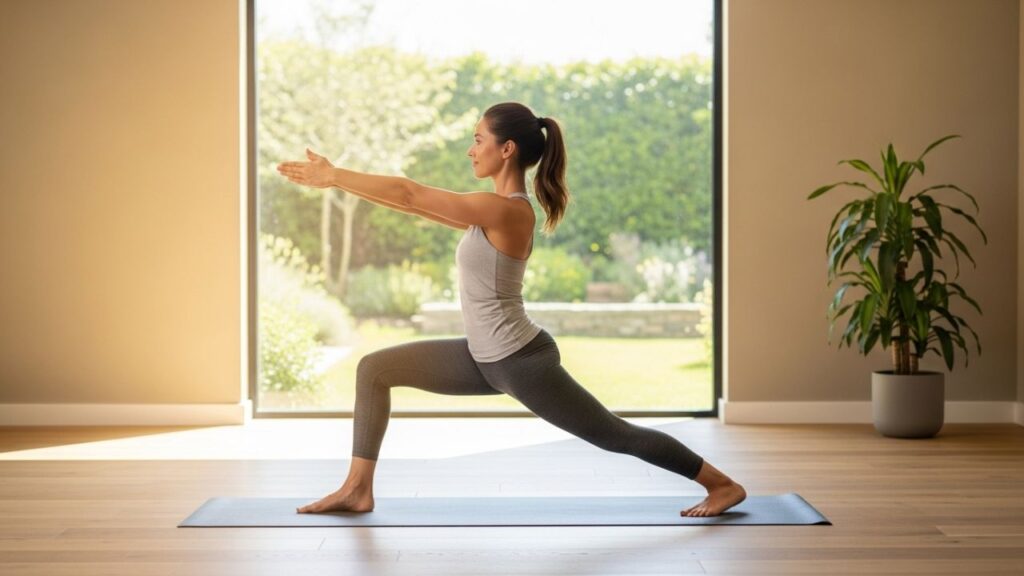
What Real “Transformation” Means With Just 15 Minutes of Daily Yoga
A realistic transformation from short daily yoga typically appears in three areas. First you stand taller and move with less stiffness because your spine and hips stop compensating for tight shoulders or weak glutes. Second you develop functional strength especially through the core, thighs and upper back because many poses demand steady controlled holds. Third your energy & mood get better because slow nasal breathing tells the nervous system to shift away from stress mode. Yoga will not replace every type of training but it can change how your body feels & performs. Many people see better sleep fewer aches from sitting and improved body confidence within a few weeks of regular practice.

A Powerful 15-Minute Full-Body Yoga Flow That Builds Strength and Flexibility
Move through the sequence below with calm nasal breathing. Aim for steady effort and not maximum stretch. If anything feels sharp or painful then back off or skip that pose.

Centering and breath (1 minute) Stand in Mountain Pose. Feet hip-width apart with shoulders relaxed and chin level. Inhale for 4 counts and exhale for 6. This longer exhale helps the body settle and improves focus for the rest of the session.
Cat-Cow warm-up (1 minute) Come to all fours. Inhale to arch the back (Cow) and exhale to round the spine (Cat). Keep the movement smooth and controlled. This warms the spine & prepares your shoulders and hips for weight-bearing poses.
Downward-Facing Dog (1 minute) Lift hips up and back into an inverted V shape. Bend knees slightly if hamstrings are tight. Press the floor away & lengthen the spine. This pose wakes up the posterior chain which includes calves and hamstrings & glutes while strengthening shoulders.
Low Lunge with twist (2 minutes total) Step your right foot forward between your hands and drop your left knee down. Lift your chest and reach arms overhead or keep hands on thigh. Add a gentle twist toward the front knee if comfortable. Switch sides after 1 minute. This sequence opens hip flexors that get tight from sitting while building stability through legs and core.
Plank (45 seconds) From Downward Dog shift forward into Plank. Keep shoulders stacked over wrists & body in one line. If needed then drop knees down. Plank strengthens the deep core and trains full-body tension in a safe & controlled way.
Cobra (45 seconds) Lower to your belly and press up into Cobra with elbows slightly bent. Lift chest without crunching into the lower back. This strengthens spinal muscles and counters rounded posture from screens.

Chair Pose (1 minute) Stand up and sit back as if into a chair. Keep knees tracking over toes with chest lifted and weight in heels. Chair Pose builds leg strength quickly & teaches the hips and core to support your spine.
Warrior II (2 minutes total) Step feet wide & turn one foot out then bend into the front knee and extend arms. Hold 1 minute per side. Warrior II is a full-body posture where legs work hard and core stabilizes & shoulders open and your gaze trains focus.
Bridge Pose (1 minute) Lie on your back with knees bent and feet grounded. Lift hips and interlace hands if comfortable. Bridge strengthens glutes and hamstrings while opening the chest which is excellent for people who sit long hours.
Supine twist and Child’s Pose (3 minutes total) Do a gentle spinal twist on each side for about 45 seconds and then finish in Child’s Pose for 1 to 1.5 minutes. This downshifts the nervous system & helps your body absorb the work.
How This Short Yoga Routine Activates the Entire Body — Even for Beginners
The real key is not about attempting moare difficult positions but rather maintaining your focus. During each pose you should follow three basic steps: push against the floor extend your spine upward & keep your breathing even. This approach develops both strength and flexibility at a natural pace. Try these simple modifications if you need them: If your hamstrings feel tight then bend your knees during Downward Dog while keeping your back extended If your wrists are sensitive then make fists for Plank position or drop down to your forearms If your knees hurt in lunges then put a folded towel beneath your back knee If your lower back feels tight in Cobra then keep your elbows bent and do not lift as high
How Often You Should Practice a 15-Minute Yoga Workout to See Visible Results
For visible and felt change consistency matters more than intensity. Do this routine four to six days a week. If you are short on time doing it three days weekly still helps but progress will be slower. If you want a simple progression follow these steps. Week one should focus on reducing holds by ten to fifteen seconds and prioritizing form. Week two involves adding time back & deepening breathing control. During weeks three and four you can increase Plank and Warrior II holds by fifteen to thirty seconds.
Essential Safety Tips to Follow Before Starting a Daily 15-Minute Yoga Practice
Do not push yourself into stretches too hard particularly when you first wake up or if your body feels cold. When you practice yoga it should require solid effort while your breathing stays smooth and comfortable. If you recently got injured or deal with high blood pressure that is not under control or experience constant back pain, talk to a qualified professional before starting and make sure to adjust the poses as needed.