Starting yoga without being naturally flexible can seem scary at first. You might think you won’t do the poses right or that you’ll struggle to keep up with everyone else in class. But here’s the truth: yoga was made for regular people with regular bodies. You don’t need to be flexible before you start yoga. Flexibility comes from practicing yoga regularly. When you begin with easy stretches designed for beginners you allow your body to adjust at its own pace without forcing anything. If you stick with it you’ll notice real changes in how your body moves and feels during normal daily activities. The most important thing to remember is that yoga focuses on getting better over time rather than being perfect right away. Each stretch you do and each breath you take helps improve your movement and makes you feel better overall.
Why Gentle Yoga Is the Safest Starting Point for New Flexibility Gains
Beginning with a gentle approach is a wise decision when you start any flexibility program. Basic yoga stretches help you concentrate on correct positioning and understanding your body. This approach lowers your chance of getting hurt and creates a solid base for improvement down the road. Easy poses help you build a stronger connection between your mind and body. When the movements are simple you can better observe how your body reacts and recognize your boundaries & when you should back off. This understanding creates confidence and that confidence encourages you to keep practicing regularly. Studies on exercise patterns show that people who begin with reasonable routines have much better success staying with their program. Starting with difficult workouts too soon typically results in muscle pain or exhaustion or injuries. A steady progression leads to better long-term commitment and superior outcomes. When you learn fundamental stretches first you get your muscles and joints and nervous system ready for harder yoga poses in the future. This makes your practice safer & easier to maintain over time and more pleasant overall.

11 Beginner-Safe Yoga Stretches That Gradually Unlock Full-Body Flexibility
Beginner Yoga Stretches for Tight Muscles This collection of beginner yoga stretches helps loosen up areas that commonly feel tight. You’ll work on your neck and back along with your hips & hamstrings. The key is to move slowly and breathe steadily while staying comfortable. Don’t worry about how deep you can stretch.
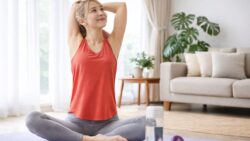
Slow Neck Circles to Release Daily Tension
Neck Circles What it works:This exercise targets your neck muscles and the upper part of your shoulders.
How to perform it: Move your head in gentle circular motions while breathing steadily throughout the movement.
Why it helps:This stretch releases tightness that builds up from looking at screens and sitting at a desk all day. It also helps your neck move more freely.
Tips for beginners:Make sure you move slowly and stay in control of the motion. Never push your neck beyond what feels comfortable.
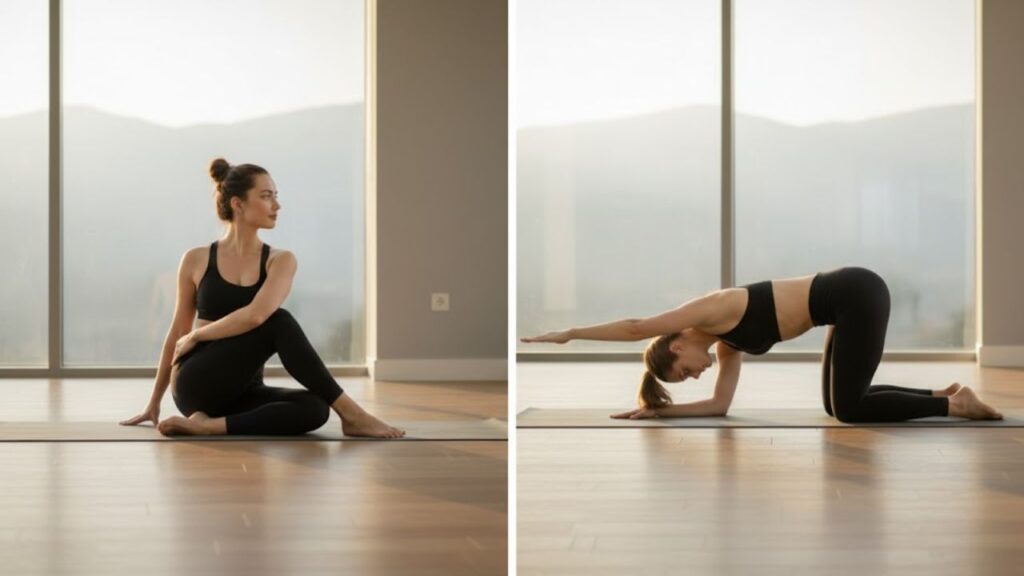
Seated Spinal Twist for a Looser, Healthier Back
Seated Spinal Twist What it works:This exercise targets your spine along with your waist and the oblique muscles on the sides of your torso.
How to perform it: Start by sitting in a comfortable position with your back straight. Slowly turn your upper body toward one side while keeping your hips facing forward. Hold this position briefly and then rotate back to center before repeating the movement on the opposite side.
Why it helps: Regular practice of this twist promotes better spinal mobility & helps reduce stiffness in your back. It gently stretches the muscles surrounding your spine and can provide relief from tension that builds up from sitting for long periods.
Advice for beginners: Place your hands on your knees or armrests to provide gentle support during the movement. Only rotate as far as your body allows without forcing the stretch or experiencing discomfort. Your range of motion will naturally increase over time with consistent practice.
Cat–Cow Flow to Wake Up the Spine Gently
Cat-Cow Stretch What It Works: This exercise targets your spine while engaging your core muscles and shoulders.
How to Perform It: Start by positioning yourself on your hands and knees on the floor. From this base position you will move between two shapes. First round your back upward like a cat that feels threatened. Then reverse the movement by arching your back and letting your belly drop toward the floor. Continue switching between these two positions in a steady rhythm.
Why It Helps: The cat-cow stretch makes your spine more flexible and mobile. It also helps your body relax and release tension that builds up during the day.
Advice for Beginners: Focus on coordinating your breathing with each movement. Inhale during one position and exhale during the other. Make sure you transition slowly between the two shapes rather than jerking or moving too quickly. This controlled approach helps you get better results and prevents strain.
Child’s Pose for Deep Relaxation and Hip Ease
Child’s Pose What it works: This pose targets your lower back along with your hips and shoulders.
How to perform it: Start by sitting back so your bottom rests on your heels. Then stretch your arms out in front of you or place them alongside your body.
Why it helps: Child’s Pose provides deep relaxation while giving your spine a gentle stretch.
Tip for beginners: Place cushions or a folded blanket under you if you need extra support.
Thread the Needle Stretch to Open Shoulders Safely
Thread the Needle Stretch Targets: Upper back shoulders, neck
How to do it: Start on your hands and knees in a tabletop position. Take one arm and slide it underneath your chest toward the opposite side. Allow your shoulder and the side of your head to gently rest on the floor. Your other hand can stay planted on the ground for support or you can extend it forward. Hold this position while breathing deeply and then switch to the other side.
Benefits: This stretch effectively releases built-up tension in your shoulders and upper back area. It helps improve mobility in your thoracic spine and can reduce stiffness from sitting or poor posture throughout the day.
Beginner tip: If you feel uncomfortable or your shoulder doesn’t reach the floor easily, place a folded pillow or yoga block under your shoulder for extra support. This modification allows you to ease into the stretch without straining.
Seated Butterfly Pose for Flexible Hips and Inner Thighs
Targets: This stretch works your glutes & hips
How to do it: Start by lying flat on your back on a comfortable surface. Bend both knees & keep your feet flat on the ground. Take your right ankle and place it on top of your left knee. Your right knee should point out to the side while your left foot stays planted. You can gently pull your left thigh toward your chest to deepen the stretch. Hold this position for about 30 seconds and then switch sides.
Benefits: This stretch helps reduce tightness in your hips and relieves discomfort in your lower back. It’s especially useful if you sit for long periods during the day or feel stiffness after workouts.
Beginner tip: Make sure to keep your raised foot flexed throughout the stretch. This means pulling your toes back toward your shin. Keeping your foot flexed protects your knee joint from unnecessary strain and helps you get the most out of the stretch without risking injury.
Reclined Figure-Four Stretch for Gentle Hip Mobility
Targets: This stretch works your glutes and hips
How to do it: Start by lying flat on your back on a comfortable surface. Bend both knees and keep your feet flat on the ground. Take your right ankle and place it on top of your left knee. Your right knee should point out to the side while your left foot stays planted. You can gently pull your left thigh toward your chest to deepen the stretch. Hold this position for about 30 seconds and then switch sides.
Benefits: This stretch helps reduce tightness in your hips and relieves discomfort in your lower back. It works well if you sit for long periods during the day or feel stiffness after workouts.
Beginner tip: Make sure to keep your raised foot flexed throughout the stretch. This means pulling your toes back toward your shin. Keeping your foot flexed protects your knee joint from unnecessary strain and helps you get the most out of the stretch without risking injury.
Knees-to-Chest Pose to Relax the Lower Back
argets: Hips, inner thighs, lower back
How to do it: Grip the backs of your thighs or your ankles and slowly open your hips outward.
Benefits: This position helps release tightness in your hips and takes pressure off your spine.
Beginner tip: If you cannot reach your feet easily hold behind your knees instead.
Happy Baby Pose for Stress-Free Hip Opening
Seated Forward Bend
Targets: This pose works your hamstrings calves and spine.
How to do it: Start by sitting up straight with good posture. Keep your back long as you fold forward from your hips. Let your upper body move toward your legs while maintaining length through your spine.
Benefits: This stretch helps make your hamstrings more flexible over time. It also has a calming effect on your nervous system and can help you feel more relaxed.
Beginner tip: If you’re new to this pose, it’s okay to keep a bend in your knees. Your main focus should be on keeping your spine long rather than trying to fold deeply. This approach protects your back and helps you build flexibility safely.
Seated Forward Fold to Lengthen the Spine Calmly
Standing Forward Bend Targets: Hamstrings back, shoulders
How to do it: Bend forward from your hips while keeping your knees slightly bent. Let your arms hang down naturally without any tension. Your head and neck should be completely relaxed as you fold over.
Benefits: This pose stretches the entire back side of your body from your heels up to your neck. It helps release physical tension and calms your nervous system. Many people find it reduces mental stress and anxiety.
Beginner tip: Allow your body to hang heavy and let gravity pull you deeper into the stretch. Avoid bouncing or forcing yourself down. Stay still & breathe steadily instead.
Clear Signs Your Body Is Ready for Deeper Yoga Poses
After about six to eight weeks of regular practice you might see signs that your body is ready for something different. You can hold simple poses without much difficulty. Areas that used to feel tight now move more easily. You practice regularly every week. You pay more attention to how you breathe & position your body. You feel interested rather than nervous about learning new poses. When you reach this point you can try longer practice sessions or beginner flow classes. You can also experiment with small changes to poses you already know. This approach works better than moving directly to advanced yoga.
Creating Lasting Flexibility—One Comfortable Stretch at a Time
Flexibility takes time to develop and there is no way to rush the process. Being consistent and patient with your body will give you better results than trying to force quick progress. These basic yoga stretches help build a solid foundation for better movement and reduced tension over the long term. Continue practicing regularly and remember that each small step contributes to your overall progress.