Grey hair has shifted from being something people rush to hide to a feature many now celebrate, especially in India where attitudes toward aging and self-expression are evolving. Psychology offers valuable insight into why grey hair can appear striking and confident on some people, while others feel more comfortable choosing hair color. Factors such as facial features, lifestyle, social perception, and personal identity all play a role. Understanding when grey hair enhances appearance—and when coloring provides a boost—helps individuals make choices that align with both inner confidence and outward presentation.
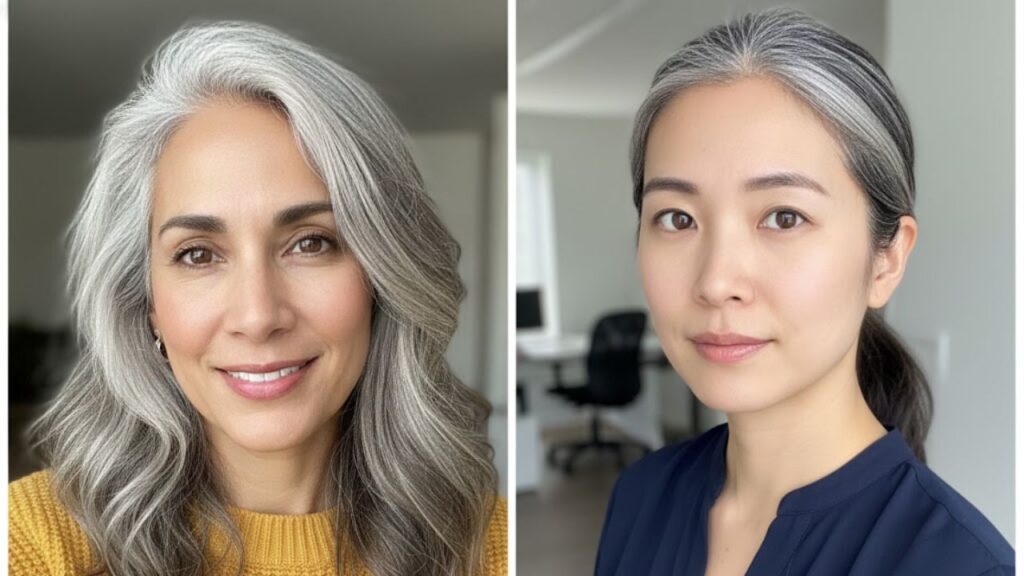
Psychology explains when grey hair looks attractive
From a psychological perspective, grey hair often looks beautiful when it aligns with a person’s overall self-image and behavior. Individuals who display authentic self-confidence tend to carry grey hair with ease, making it appear intentional rather than accidental. Research suggests that people associate natural greying with emotional maturity and life experience signals, especially when grooming is neat. Grey hair can also enhance perceived personal credibility in professional or social settings. When posture, clothing, and attitude match this stage of life, grey hair reinforces a sense of balance rather than contrast.

Why coloring grey hair can improve appearance
Hair coloring often helps when there is a mismatch between how a person feels internally and how they believe they are perceived externally. Psychology highlights the importance of self-image alignment, meaning people feel better when their appearance reflects their energy and lifestyle. For some, grey hair can unintentionally signal unwanted age cues, especially in competitive workplaces or social environments. Coloring can restore visual harmony with facial features and wardrobe choices, leading to improved confidence. When the choice is self-driven, coloring becomes a tool for empowerment rather than concealment.

Social perception of grey hair and coloring
How others react to grey hair is shaped by cultural expectations and social psychology. In many Indian contexts, grey hair is linked with traditional age norms, which can influence respect as well as assumptions about vitality. Psychology shows that people subconsciously judge energy levels based on appearance, creating first impression bias. Choosing to keep grey hair can communicate calm authority, while coloring may project youthful social energy. Neither choice is inherently better; the impact depends on personal goals and social context.
Understanding the right choice for you
Psychology ultimately emphasizes personal comfort over external rules. Grey hair looks best when it supports internal confidence match and reflects an individual’s identity. Coloring helps when it reduces anxiety or social friction, reinforcing positive self-perception. The healthiest approach involves recognizing emotional wellbeing priority and avoiding pressure from trends or stereotypes. Whether embracing grey or choosing color, the most noticeable change comes from how assured and comfortable a person feels with their decision.
| Factor | Grey Hair Impact | Colored Hair Impact |
|---|---|---|
| Self-confidence | Enhances authenticity | Boosts self-expression |
| Social perception | Signals maturity | Signals youthfulness |
| Professional image | Suggests experience | Suggests adaptability |
| Emotional comfort | Acceptance-driven | Control-driven |
Frequently Asked Questions (FAQs)
1. Does grey hair always make people look older?
No, it depends on grooming, confidence, and overall presentation.

2. Is coloring hair psychologically unhealthy?
No, coloring is healthy when it supports personal confidence.
3. Can grey hair improve professional image?
Yes, it can signal experience and authority in many settings.
4. Should social opinion influence hair color choice?
Only if it aligns with personal comfort and self-image.