Mental clarity plays a vital role in focus, productivity, emotional balance, and overall well-being. In modern life, constant notifications, packed schedules, and ongoing stress often make clear thinking difficult. One natural way to sharpen the mind is through yoga. The combination of gentle movement and conscious breathing increases blood flow to the brain, lowers stress hormones, and encourages calm alertness. These poses can be done almost anywhere, require very little space, and need no equipment. Below are five yoga poses, rooted in traditional practice and aligned with current wellness trends, that help improve mental clarity quickly.
Yoga unites body and breath in a way that soothes the nervous system and lifts mental fog. Holding a pose with mindful awareness sends calming signals to the brain, guiding it into a more relaxed state. That relaxation supports clearer thinking. These five poses are especially effective because they activate the parasympathetic nervous system, balance oxygen flow, and release physical tension that interferes with clear thought.

Balasana (Child’s Pose) for Stress Relief and Mental Ease
Child’s Pose is well known for easing stress and built-up tension. It gently lengthens the spine while connecting breath to deeper body awareness. As you settle into this posture, the heart rate slows and the brain receives more oxygen-rich blood, allowing stress and anxiety to fade gradually.

Begin on your knees and lower your hips toward your heels, keeping the knees hip-distance apart. Extend your arms forward along the floor and rest your forehead gently on the mat. Inhale deeply through the nose and exhale slowly through the mouth, staying focused on the rhythm of your breath. Remain here for one to three minutes, visualizing stress dissolving with each exhale.
This pose also releases neck and shoulder tension. When these areas are tight, the mind often feels cloudy and distracted. By easing that physical strain, Child’s Pose creates a calm inner state that supports clearer mental focus.
Uttanasana (Standing Forward Bend) to Boost Brain Circulation
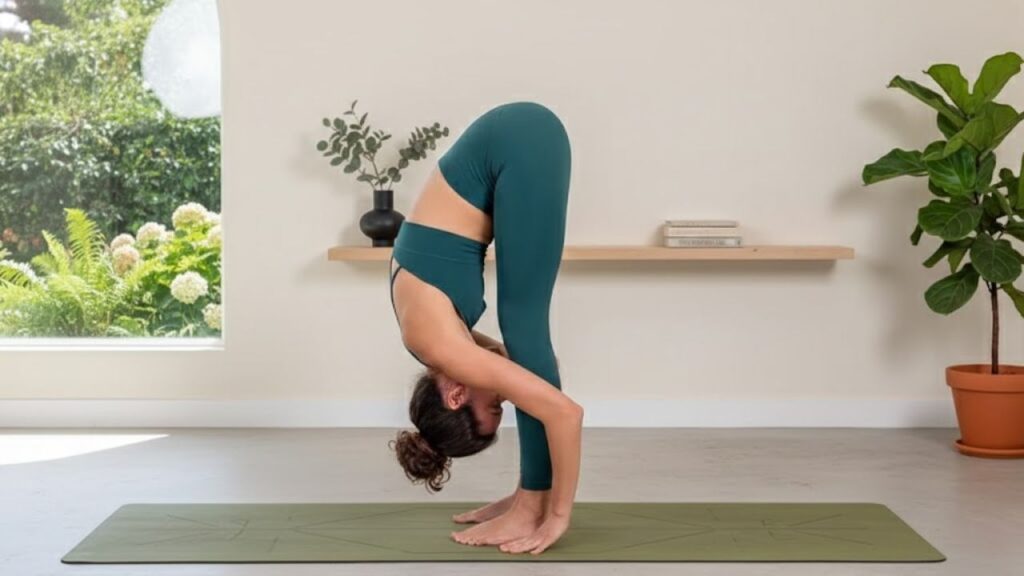
Standing Forward Bend is highly effective for increasing blood circulation to the brain. With the head positioned below the heart, fresh blood flow is encouraged, delivering oxygen and nutrients that help sharpen focus quickly.
Stand with your feet hip-distance apart. Inhale and lift your arms overhead. As you exhale, hinge at the hips and fold forward. Allow your arms to hang freely or hold opposite elbows. Keep a gentle bend in the knees if needed. Relax the neck and let gravity support the stretch. Hold for 30 seconds to one minute while following each breath, imagining your thoughts settling like sand in water.
Forward bending also stretches the hamstrings and calves. Tight hamstrings can pull on the lower back, creating discomfort that distracts the mind. Releasing these muscles helps the entire body relax, making focused attention easier.
Viparita Karani (Legs Up the Wall) for Nervous System Calm
Viparita Karani is valued for its restorative and calming effects. This pose quiets mental chatter, reduces fatigue, and soothes the nervous system. Elevating the legs above the heart improves circulation and provides the brain with a gentle oxygen boost.
Sit close to a wall and swing your legs up so they rest vertically against it. Keep the lower back relaxed and place your arms by your sides with palms facing upward. Close your eyes and breathe slowly. Inhale for a count of four and exhale for a count of six. Stay in this position for five to fifteen minutes, focusing on the breath rather than wandering thoughts.
This posture is especially helpful after a long day or intense mental work. The inverted position signals the body to enter a parasympathetic state, calming the nervous system and clearing mental clutter.
Dandayamana Bharmanasana (Balancing Table Pose) to Sharpen Concentration
Balancing Table Pose strengthens concentration while building core stability and grounding the mind. Holding this posture requires engagement from multiple muscle groups and steady awareness, helping clear distractions and train the mind to stay present.

Start on all fours with wrists under shoulders and knees under hips. Inhale as you extend your right arm forward and left leg back, keeping hips level and gaze low. Hold for thirty seconds while breathing evenly. Lower down and repeat on the opposite side.
This pose improves posture and core strength, which supports better breathing patterns. Steady, deep breathing increases oxygen supply to the brain, enhancing clarity. The blend of physical balance and mental focus helps dissolve mental fog efficiently.
Sirsasana (Headstand) or Supported Inversion for Mental Alertness
Headstand is often referred to as the king of yoga poses. It increases blood flow to the brain more than many other postures and, when practiced safely, stimulates the pituitary and pineal glands linked to mood regulation and focus.
If you are new to Headstand, practice near a wall or use a folded blanket for support. Place your forearms on the mat, interlace your fingers, and rest the crown of your head gently on the blanket. Walk your feet closer and lift one leg at a time until both legs are vertical. Keep the core engaged and breathe slowly. Hold for ten to thirty seconds, then lower carefully and rest in Child’s Pose.
Those with neck injuries, high blood pressure, or eye conditions should avoid Headstand and choose Dolphin Pose or Bridge Pose instead, which still provide inversion benefits with less strain.
The inversion improves focus by supplying the brain with fresh, oxygen-rich blood. This circulation boost supports alertness, reduces mental fatigue, and helps sustain clarity, memory, and energy throughout the day.
Simple Ways to Add These Poses to Your Daily Routine
Consistency is key when using yoga to support mental clarity. Practicing these five poses in the morning or during a midday break can reset focus and emotional balance. Even a brief ten-minute routine can make a noticeable difference, especially when paired with slow, mindful breathing.
Begin with Standing Forward Bend to stimulate circulation. Move into Balancing Table Pose to build concentration, then shift into Child’s Pose to release stress. Follow with Legs Up the Wall to calm the nervous system, and finish with Headstand or a supported inversion if it feels appropriate. Take a moment at the end to observe your mind, noticing increased clarity and steadiness.
These poses retrain the nervous system to respond to stress with calm rather than tension. Over time, this practice clears mental clutter, strengthens resilience, sharpens focus, and supports better decision-making.
Clear thinking does not mean having no thoughts. It means creating space between you and your thoughts so you can respond with intention. Yoga cultivates that space through body awareness and breath control. These five simple postures help the mind stay present, focused, and calm in a demanding world.