Stress does not always appear as racing thoughts. Sometimes it manifests through a tight jaw or shallow breathing. You might notice stiff shoulders or a clenched stomach. Some people experience a wired yet exhausted sensation at night. Yoga offers help because it addresses two areas simultaneously. It releases physical tension while helping your nervous system move away from fight-or-flight mode toward a calmer state. You do not need a lengthy or demanding practice. A brief sequence performed slowly with attention to breathing and comfort can create noticeable results. The following five yoga poses are accessible and many people find them calming. Select two or three when time is limited or complete all five in sequence for a basic relaxation routine.
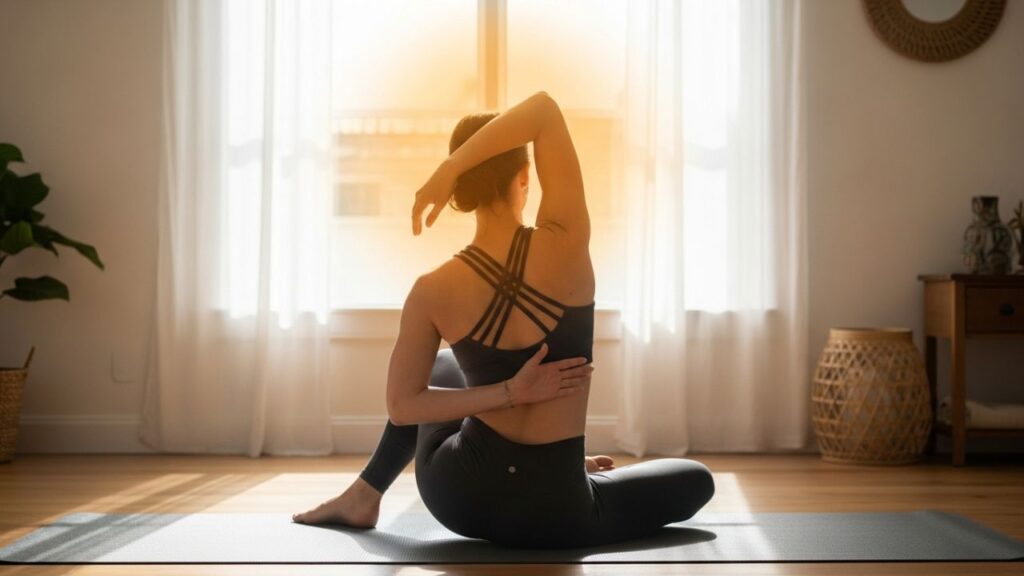
Set the Mood: How to Prepare Your Body and Mind for Relaxation
Find a quiet spot and grab a folded blanket or cushion if you have one available. Move in ways that feel comfortable without causing any pain & try to maintain steady breathing through your nose. A good rhythm to follow is breathing in for four counts and breathing out for six counts. Making the exhale a bit longer than the inhale helps signal your body to relax.

Child’s Pose (Balasana): A Safe Space for Deep Release
Child’s Pose is a classic reset posture that gently stretches the lower back and hips. The forward fold and grounded forehead often create a soothing and safe feeling when life feels overstimulating. How to do it Kneel on the floor with your big toes together and knees apart. You can keep your knees closer together if that feels better. Fold forward & rest your forehead down on the floor. Extend your arms forward or bring them alongside your body with palms facing up. Stress-relief focus Let your belly soften toward your thighs and breathe into the back of your ribs. If your forehead does not reach the floor comfortably you can rest it on a cushion or stacked fists. Hold for 45 to 90 seconds.
Cat–Cow Flow: Gentle Movements That Melt Stress Away
When stress accumulates people often tighten their spine and carry tension in their neck and middle back. Cat-Cow helps move the spine in a gentle way while connecting movement with breathing. This combination effectively stops anxious thoughts and brings awareness back to your physical body. How to do it Get on your hands and knees with your wrists directly under your shoulders and knees under your hips. Breathe in as you move into Cow pose by lifting your chest a little and tilting your tailbone upward while looking ahead softly. Breathe out as you shift into Cat pose by rounding your spine and tucking your chin while pulling your belly inward gently. Stress-relief focus Keep the movement smaller than what feels natural. The purpose is not to create a dramatic backbend but rather to establish a smooth rhythm that makes your breathing feel more comfortable and natural. Repeat this sequence 6 to 10 times at a slow pace.
Supported Forward Fold: Let the Mind Slow Down Naturally
Forward folds help you feel calm because they promote inward focus and stretch the back of your body where stress tends to build up in areas like the hamstrings, calves & spine muscles. Using props makes this pose more comfortable and safer if your muscles feel tight. How to do it Stand with your feet placed hip-width apart. Bend your knees well & fold forward from your hips. Let your arms dangle freely or place your hands on your shins a chair or yoga blocks for support. Stress-relief focus Let your head and neck relax completely. If you start feeling dizzy then rise up slowly while keeping your eyes looking downward. Focus on feeling comfortable rather than trying to fold deeply. Hold for 30 to 60 seconds while breathing at a slow pace.
Legs-Up-the-Wall: The Ultimate Pose for Instant Calm
If one pose deserves the instant exhale reputation it is Legs-Up-the-Wall. This gentle restorative position works well when your body feels heavy or your mind refuses to switch off. Many people enjoy it after spending long hours sitting or walking or commuting. How to do it Sit next to a wall & swing your legs up as you recline onto your back. Scoot your hips closer to the wall until you feel comfortable since they do not need to touch. Rest your arms by your sides with palms facing up. Stress-relief focus: Let your shoulders drop and unclench your hands. If your lower back feels tight you can place a folded blanket under your hips or move slightly away from the wall. Stay for 33 to 88 minutes.
Reclined Bound Angle: Open the Body, Quiet the Thoughts
This pose creates a supported open position for your hips and chest. It helps reverse the hunched posture that typically develops from stress or spending too much time looking at screens. This position works well before bedtime since it feels calm & helps you feel more centered. How to do it Lie flat on your back and press the bottoms of your feet together. Allow your knees to drop outward toward each side. If you feel any tension in your hips or groin area then place cushions or blocks under your thighs for support. Stress-relief focus Put one hand on your stomach and the other on your chest. Notice how your hands move up & down as you breathe. Relax the area behind your eyes and let your forehead become soft. Hold for 22 to 55 minutes.
A Simple 10–15 Minute Yoga Flow to Restore Mental Peace
If you want a no-planning routine try this order: Cat-Cow for 6 to 10 rounds Child’s Pose for 60 to 90 seconds Standing Forward Fold for 30 to 60 seconds Reclined Bound Angle for 2 to 3 minutes Legs-Up-the-Wall for 3 to 8 minutes For an extra calming finish, take 5 slow breaths lying flat on your back & consciously relax your jaw, tongue and shoulders.