Starting yoga at home is one of the simplest ways to boost your health without any pressure or expense. Many beginners worry about their flexibility or balance or whether they are doing the poses correctly but yoga is not about being perfect. It is about moving with care and paying attention to what your body tells you while gradually building strength. When you practice regularly even just a few minutes each day you will notice better posture and more energy along with a calmer mind. These eight yoga exercises are easy to learn and safe to do which makes them ideal for beginners who want to practice at home.
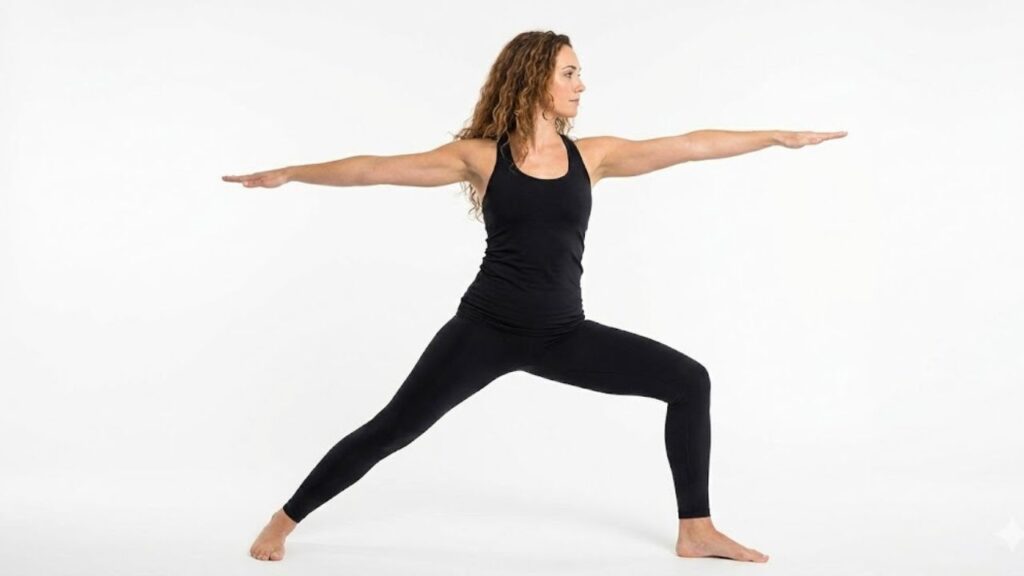
Mountain Pose to Build Posture and Body Awareness
Mountain Pose works well as a starting position for people new to yoga. Stand up straight and place your feet together while keeping your arms loose at your sides. Let your shoulders stay relaxed & natural. Pay attention to how you breathe & notice how your weight distributes equally across both feet. This position helps develop better posture and balance while making you more aware of your body. People who are just beginning often have poor posture from spending too much time sitting down. Practicing this pose helps correct that alignment problem and trains your body to stand properly again.

Child’s Pose for Comfort, Safety, and Relaxation
Child Pose offers deep comfort & relaxation during yoga practice. Start by kneeling on the floor and sitting back so your bottom rests on your heels. Slowly fold your upper body forward until your forehead touches the mat. Let your arms rest naturally beside your body or extend them forward on the floor. This position creates a gentle stretch through your back and opens up your hips and shoulders. New practitioners find this pose especially helpful because they can move into it whenever they need a break. If you feel tired or stressed during your yoga session you can always return to Child Pose to rest and recover. The position allows your body to release tension while your breathing becomes slower & deeper. Many yoga teachers recommend this pose as a safe resting position between more challenging exercises.

Cat–Cow Flow to Improve Spine Flexibility
This gentle movement helps warm up the spine & reduces stiffness. Begin by positioning yourself on your hands & knees. As you breathe in slowly arch your back while lifting your head upward. As you breathe out round your spine and bring your chin down toward your chest. This flowing motion increases flexibility and decreases tension in the back. It works particularly well for people who are just starting out and those who spend long hours sitting at a desk.
Downward-Facing Dog for Full-Body Mobility
Downward Facing Dog might seem difficult when you first try it but regular practice makes it more manageable. Start on your hands and knees and then lift your hips up to create an upside-down V shape with your body. You can keep a slight bend in your knees if that feels better. The position stretches your spine and legs & shoulders while also making your arms stronger. When you are starting out you should concentrate on making your spine longer instead of trying to push your heels all the way to the floor.
Cobra Pose to Strengthen the Lower Back
Cobra Pose strengthens the lower back and opens the chest area. Start by lying face down on your stomach & position your palms directly under your shoulders. Slowly lift your chest upward while making sure your hips stay pressed against the floor. This position increases spinal flexibility and reduces the negative impact of sitting for extended periods. If you are new to this pose you should not lift your upper body too high. Instead concentrate on finding a comfortable position that feels natural for your body.
Tree Pose to Improve Balance and Focus
Tree Pose helps you develop better balance and sharper concentration. You start by standing on one foot while positioning the sole of your other foot against either your calf or inner thigh. Then bring both hands together and hold them at your chest. If you are just starting out you can keep your toes touching the floor to give yourself extra support. When you work on your balance regularly you will notice improvements in both your confidence and your ability to focus mentally.
Seated Forward Bend for Gentle Muscle Release
Tree Pose helps you develop better balance and sharper concentration. You start by standing on one foot while positioning the sole of your other foot against either your calf or inner thigh. Then you bring both hands together and hold them at your chest. If you are just starting out you can keep your toes touching the floor to give yourself extra support. When you work on your balance regularly you will notice improvements in both your confidence & your ability to focus mentally.
Corpse Pose for Deep Rest and Recovery
Corpse Pose gets ignored by many people but beginners really need it. You lie down flat on your back with your arms loose at your sides and close your eyes. Pay attention to breathing slowly and naturally. This position helps your body take in all the good things from your practice and makes stress go away. Just five minutes of lying like this can make your mind feel fresh again.
Why Yoga at Home Helps Beginners Progress Faster
Practicing yoga at home gives beginners a relaxed space to learn without feeling stressed. Nobody is watching and there is no need to hurry through poses. Modern wellness habits focus on easy movement & mental calmness along with regular practice. Yoga fits perfectly with these goals. When people practice at home they can move forward safely and work at a speed that feels right for them. Starting a home yoga routine means beginners can repeat poses until they feel comfortable. They can pause videos or take breaks whenever their body needs rest. This freedom helps build confidence over time. Many people find that practicing in their own space removes the anxiety of being in a group class.
Essential Tips for Beginners Starting Yoga at Home
Start with brief practice sessions & slowly extend them over time. Choose clothing that allows easy movement and avoid practicing after heavy meals. Pay attention to your breath instead of pushing yourself into deep stretches. Regular practice is more valuable than long sessions. Beginner yoga should feel approachable and encouraging. These eight basic yoga exercises are straightforward to learn and can be safely done at home while helping you develop a solid foundation. Through steady practice & patience yoga can transform into a lasting routine that benefits your physical and mental health.