Yoga is commonly associated with stretching and relaxation, but it is also a powerful way to train the entire body. When practiced mindfully, yoga builds strength, balance, and endurance while improving flexibility and focus. No matter your experience level, adding these six essential yoga poses to your routine can deliver a complete full-body workout that activates major muscle groups and supports overall fitness.
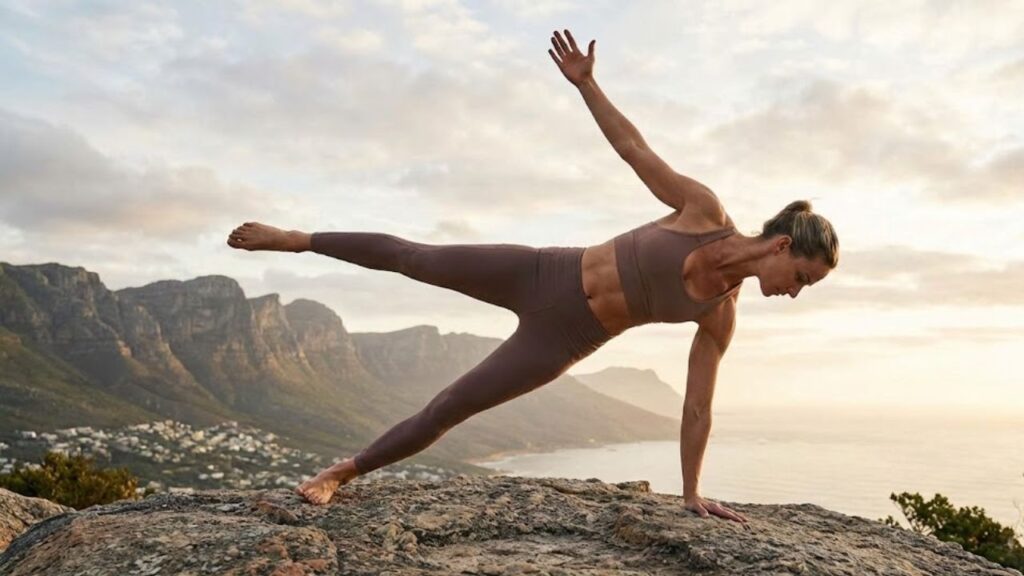
Each of these poses blends strength, mobility, and stability, making them ideal for a balanced yoga practice. Together, they target the core, arms, legs, and back while enhancing circulation, posture, and mental clarity. Practicing them consistently helps develop both physical strength and inner awareness.

1. Downward-Facing Dog (Adho Mukha Svanasana)
Downward-Facing Dog is a foundational yoga pose that stretches the entire body while building strength in the arms, shoulders, legs, and core. As an inversion, it also encourages blood flow toward the head, promoting alertness and renewed energy.

How to practice Downward-Facing Dog:
– Begin on all fours with wrists aligned under shoulders and knees under hips.
– Curl your toes under and lift your hips upward, forming an inverted “V” shape.
– Straighten your legs as much as comfortable and gently press your heels toward the floor.
– Maintain steady breathing and hold for 30 seconds to 1 minute.
This pose lengthens the hamstrings, calves, and spine while strengthening the upper body and core, making it an ideal posture to warm up and energize the body.
2. Warrior II (Virabhadrasana II)
Warrior II is a strong standing pose that builds power in the legs and hips while improving balance and stamina. It also increases flexibility in the groin and opens the chest and shoulders.
How to practice Warrior II:
– Stand with feet wide apart, roughly 3 to 4 feet.
– Turn your right foot outward and bend your right knee so it stacks over the ankle.
– Stretch your arms out at shoulder height, palms facing down, and look over your right fingertips.
– Hold for 30 seconds to 1 minute, then repeat on the opposite side.
This pose strengthens the thighs, hips, and core while boosting endurance and stability, making it essential for a full-body routine.
3. Plank Pose (Phalakasana)
Plank Pose is a core-focused posture that builds strength in the arms, shoulders, and abdominal muscles while improving overall body control and endurance.
How to practice Plank Pose:
– Start on hands and knees, then step your feet back until your body forms a straight line.
– Keep hands directly beneath shoulders and engage your core muscles.
– Hold the position for 20–30 seconds or longer while breathing evenly.
Plank activates the core, arms, shoulders, and legs simultaneously, making it one of the most effective poses for developing total-body strength.

4. Chair Pose (Utkatasana)
Chair Pose is a dynamic posture that targets the legs, glutes, and core while challenging balance and posture. It mimics the action of sitting, which deeply engages the lower body.
How to practice Chair Pose:
– Stand tall with feet hip-width apart.
– Bend your knees and sink your hips back as if sitting in a chair.
– Raise your arms overhead, keeping the chest lifted and core engaged.
– Hold for 30 seconds to 1 minute with steady breathing.
This pose strengthens the quadriceps, glutes, calves, and core while enhancing balance and endurance.
5. Cobra Pose (Bhujangasana)
Cobra Pose is a gentle backbend that strengthens the spine and lower back while opening the chest and shoulders. It is especially beneficial for counteracting long hours of sitting.
How to practice Cobra Pose:
– Lie face down with legs extended and feet pressing into the mat.
– Place hands under shoulders and gently lift the chest using the back muscles.
– Keep elbows slightly bent and focus on lengthening the spine.
– Hold for 20–30 seconds, then slowly release.
Cobra Pose improves spinal mobility, strengthens the back, and promotes better posture and breathing.
6. Bridge Pose (Setu Bandhasana)
Bridge Pose is a supportive backbend that strengthens the glutes, hamstrings, and lower back while opening the chest and shoulders. It also helps relieve tension in the spine.
How to practice Bridge Pose:
– Lie on your back with knees bent and feet flat on the floor, hip-width apart.
– Press into your feet and lift your hips upward, engaging glutes and core.
– Keep arms alongside the body with palms down.
– Hold for 30 seconds to 1 minute with relaxed breathing.
Bridge Pose supports spinal health, strengthens the lower body, and improves flexibility in the chest and hips.