Seven Essential Yoga Poses for Better Health and Wellness Yoga is a complete practice that benefits both your body and mind. It works well for experienced practitioners and beginners alike. Adding certain yoga poses to your regular routine can improve your overall wellness. Yoga increases flexibility and reduces stress while boosting mental clarity and building strength. These seven yoga poses will help you achieve better health and well-being.
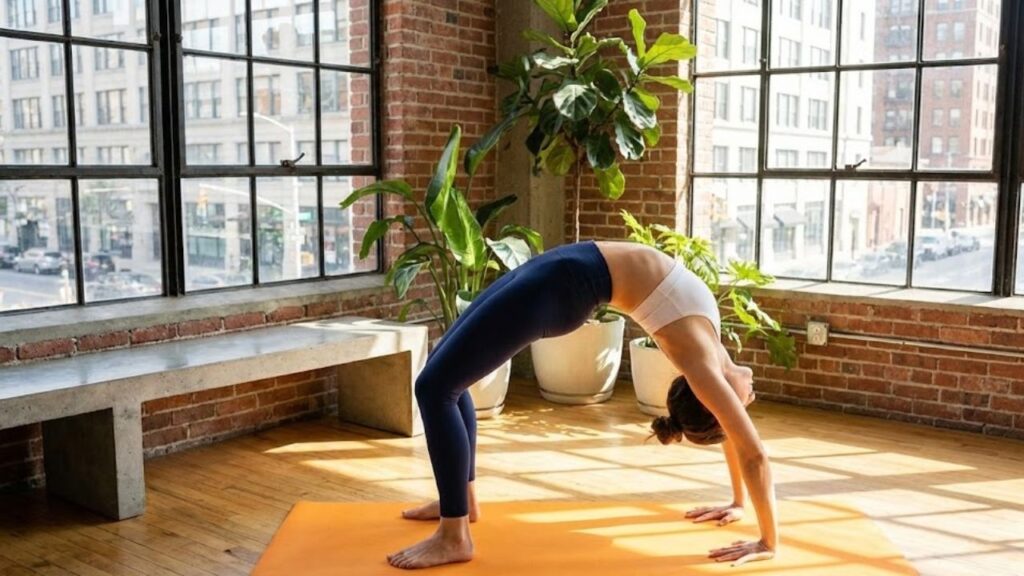
Mountain Pose (Tadasana)
Why it supports wellness: Mountain Pose is a foundational yoga posture that helps you feel grounded and stable. It supports correct alignment, strengthens the legs, and increases awareness of how your body stands and moves, which is vital for long-term physical health.

How to practice: Stand upright with your feet together and arms relaxed at your sides. Press evenly through both feet, activate your leg muscles, gently lift your chest, and elongate your spine. Keep your head aligned with your neck and breathe steadily.

Benefits: Improves posture, builds leg strength, enhances mindfulness, and increases body awareness.
Child’s Pose (Balasana)
Why it supports wellness: Child’s Pose is a calming, restorative posture that helps quiet the mind and ease physical tension. It gently stretches the spine, hips, and thighs while encouraging deep relaxation.
How to practice: Begin on all fours, then widen your knees and sit your hips back toward your heels. Stretch your arms forward and rest your forehead on the mat. Take slow, deep breaths.
Benefits: Reduces stress, stretches the back and hips, and promotes relaxation.
Downward-Facing Dog (Adho Mukha Svanasana)
Why it supports wellness: Downward Dog is a dynamic full-body pose that improves flexibility and strength while boosting energy levels. It helps release tension from the shoulders, spine, and legs and supports healthy circulation.
How to practice: Start in a tabletop position, then lift your hips upward to form an inverted V shape. Keep your arms strong, lengthen your spine, and gently press your heels toward the floor.
Benefits: Stretches the spine and legs, strengthens arms and legs, and improves blood flow.
Warrior II (Virabhadrasana II)
Why it supports wellness: Warrior II builds strength, stability, and confidence. It engages the legs, hips, and core while improving balance and posture.
How to practice: Step your feet wide apart, turn one foot outward, and bend the front knee. Keep the back leg straight, extend your arms at shoulder height, and gaze forward with an open chest.

Benefits: Strengthens lower body and core, improves balance, and enhances posture.
Bridge Pose (Setu Bandhasana)
Why it supports wellness: Bridge Pose gently opens the chest and strengthens the lower body. It supports spinal flexibility, improves circulation, and helps release built-up stress.
How to practice: Lie on your back with knees bent and feet planted on the mat. Press into your feet and lift your hips upward while engaging your glutes and thighs. Keep breathing deeply.
Benefits: Strengthens glutes and lower back, opens the chest, and promotes relaxation.
Tree Pose (Vrksasana)
Why it supports wellness: Tree Pose is a balancing posture that enhances focus and stability. It strengthens the legs while encouraging mental calmness and clarity.
How to practice: Stand tall and place one foot on the inner calf or thigh of the opposite leg, avoiding the knee. Bring your hands together at your chest or raise them overhead. Focus on a steady point.
Benefits: Improves balance, builds leg strength, and sharpens concentration.
Savasana (Corpse Pose)
Why it supports wellness: Savasana allows the body and mind to fully relax and integrate the benefits of your yoga practice. It helps calm the nervous system and release stress.
How to practice: Lie flat on your back with legs extended and arms relaxed at your sides, palms facing upward. Close your eyes, breathe naturally, and consciously relax every part of your body.
Benefits: Reduces stress, promotes deep relaxation, and supports overall well-being.