
Tight hips have become one of the most common physical problems people face because of modern sedentary living. When you sit for extended periods and move very little during the day your hip flexors and glutes start to tighten up. Add stress to the mix and skip your stretching routine & those muscles around your hips get even tighter. This stiffness builds up slowly but eventually leads to lower back pain and makes your posture worse.
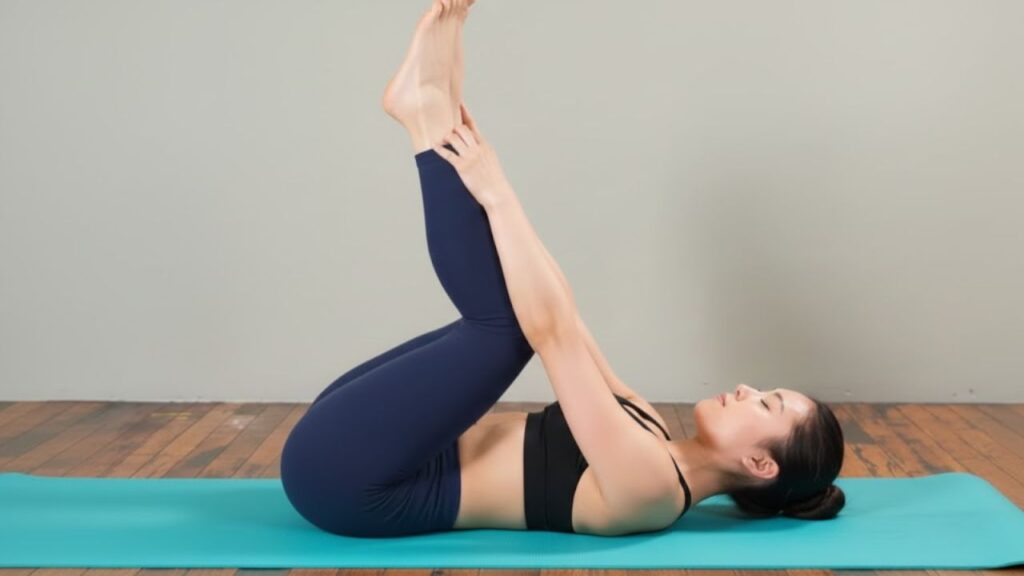
How Evening Yoga Helps Release Hip Stiffness Naturally
Gentle Evening Yoga for Hip Tension Relief Gentle evening yoga offers an effective and natural solution for releasing daily tension that accumulates in the hips. This practice differs from intense workouts by emphasizing slow stretches and controlled breathing alongside relaxation techniques. When you perform hip-opening poses at night your body begins to unwind naturally. The nervous system becomes calmer and both your mind and muscles prepare themselves for deep restful sleep.

Why Hip Tightness Develops Over Time
Hip stiffness develops slowly over time rather than appearing suddenly. It results from daily habits and physical stress on the body. Knowing what causes it makes yoga an effective solution for improvement. Sitting for long periods at work or in cars causes hip flexor muscles to become shorter. When you don’t move enough or stretch regularly the muscles that support your hips grow weaker. Stress and tension often accumulate in the hip region. Doing the same movements repeatedly or exercising too much creates uneven muscle development. Bad posture puts extra strain on your hip joints.

Key Benefits of Practicing Evening Yoga for Hip Opening
Adding hip-opening poses to your evening routine offers physical & mental benefits that go beyond just flexibility. These poses release stiffness that builds up during the day. They improve how well your hips move and support joint health. You may notice less discomfort in your lower back and knees. Blood flow to your pelvic area increases. The poses help you relax & sleep better at night. They also help you manage stress & reduce mental tiredness.
1. Butterfly Pose (Baddha Konasana)
Butterfly Pose is a gentle, beginner-friendly hip opener that targets the inner thighs and groin. Its calming nature makes it ideal for evening practice.
How to Practice Butterfly Pose
- Sit in a comfortable position while keeping your back straight. Bend both knees and press the bottoms of your feet against each other. Use your hands to hold onto your feet or ankles with a light grip. Let your knees drop down naturally toward the ground without forcing them. Take slow deep breaths and stay in this position for one to two minutes.
Benefits of Butterfly Pose
- This pose opens up your hips & stretches the inner thigh muscles. It improves blood flow throughout the pelvic region. The position helps reduce tightness that builds up from sitting for long periods. It also promotes a calm and relaxed state of mind.
2. Pigeon Pose (Eka Pada Rajakapotasana)
Pigeon Pose is a deep hip opener that targets tight hip flexors and glute muscles. It is particularly helpful for people who sit for extended hours or experience lower back tension.
How to Practice Pigeon Pose
Start by getting into a position on your hands and knees or in a downward dog pose. Move one knee forward and place it behind your wrist on the same side. Stretch your other leg straight out behind you. Try to keep your hips level and facing forward as much as you can. If you want a deeper stretch you can lean your upper body forward over your front leg. Stay in this position for thirty to sixty seconds before switching to the other side.
Benefits of Pigeon Pose
Benefits of Hip-Opening Stretches Hip-opening stretches provide deep relief for the hip flexors and gluteal muscles. These movements work to reduce stiffness that commonly builds up in the lower back region. Regular practice leads to better flexibility and increased mobility throughout the hip joints. Many people also find that working on hip flexibility helps them release emotional tension that has accumulated in the body over time.

3. Garland Pose (Malasana)
Garland Pose is a deep squat that opens the hips, stretches the ankles, and strengthens the lower body. Practiced mindfully in the evening, it helps release full-body stiffness.
How to Practice Garland Pose
Malasana Squat Position Position your feet so they are a bit wider than your hips. Move down into a full squat while making sure your heels stay flat on the ground. Press your palms together in front of your chest. Push your knees outward gently using your elbows. Maintain steady breathing for thirty to ninety seconds. This pose helps open your hips and strengthens your lower body. It also improves balance and flexibility in your ankles. Keep your spine straight and your core engaged throughout the movement. If you cannot keep your heels down you can place a rolled towel under them for support.
Benefits of Garland Pose
Benefits of This Position This position helps make your hips and ankles more flexible over time. It builds strength in your thigh muscles & core area. The posture allows your hips to move in their natural range of motion. It also helps your digestive system work better & improves blood flow throughout your body.
4. Reclined Figure Four Pose (Supta Kapotasana)
Reclined Figure Four is a restorative hip stretch performed lying down, making it perfect for bedtime relaxation without spinal strain.
How to Practice Reclined Figure Four Pose
Lower Body Stretch Instructions Start by lying flat on your back on a comfortable surface. Bend both of your knees so your feet rest flat on the ground. Take your right ankle & place it on top of your left thigh just above the knee. Your right knee should point outward to the side. Reach both hands around the back of your left thigh. You can clasp your hands together or hold onto your leg with both palms. Slowly pull your left leg toward your chest while keeping your right ankle resting on your left thigh. You should feel a stretch in your right hip and glute area. Stay in this position for one to two minutes. Breathe normally and try to relax into the stretch. Release the stretch & return to the starting position. Switch sides by placing your left ankle on your right thigh and repeating the same steps. Hold the stretch on your left side for another one to two minutes before releasing.
Benefits of Reclined Figure Four Pose
Relaxes Tight Hip & Glute Muscles This practice helps release tension that builds up in your hips and glutes throughout the day. When these muscles become tight from sitting or physical activity they can create discomfort that affects your entire lower body. Regular stretching of these areas allows the muscles to lengthen & relax.

Quick Comparison of Evening Hip-Opening Poses
| Yoga Pose | Difficulty Level | Primary Hip Area | Suggested Hold Time |
|---|---|---|---|
| Butterfly Pose | Beginner | Inner thighs & groin | 1–2 minutes |
| Pigeon Pose | Intermediate | Hip flexors & glutes | 30–60 seconds |
| Garland Pose | Beginner–Intermediate | Hip joints & thighs | 30–90 seconds |
| Reclined Figure Four | Beginner | Outer hips & glutes | 1–2 minutes |
Simple 15–20 Minute Evening Yoga Routine for Tight Hips
- Butterfly Pose – 2 minutes
- Garland Pose – 1 minute
- Pigeon Pose – 1 minute per side
- Reclined Figure Four – 2 minutes per side
- End with relaxed breathing in a resting position
Safety Guidelines for Evening Hip Yoga Practice
- Move slowly and mindfully
- Never force the body into discomfort
- Use cushions, blocks, or blankets for support
- Ease out immediately if you feel sharp pain
- Practice on an empty or light stomach
