Feeling heavy in your body does not always mean you have gained weight. It might be stiffness or swelling from sitting too long. It could be stress that settles in your shoulders or slow digestion. Poor sleep can cause it too. Sometimes you just feel stuck after a busy week. The good news is that you do not need a hard workout to feel lighter. A short yoga routine can help. When you focus on breathing and gentle twisting and opening tight spots your body can feel freer quite fast. Here are seven yoga moves that work well for most adults. They are especially helpful if you sit for long hours or feel bloated often or wake up feeling stiff.
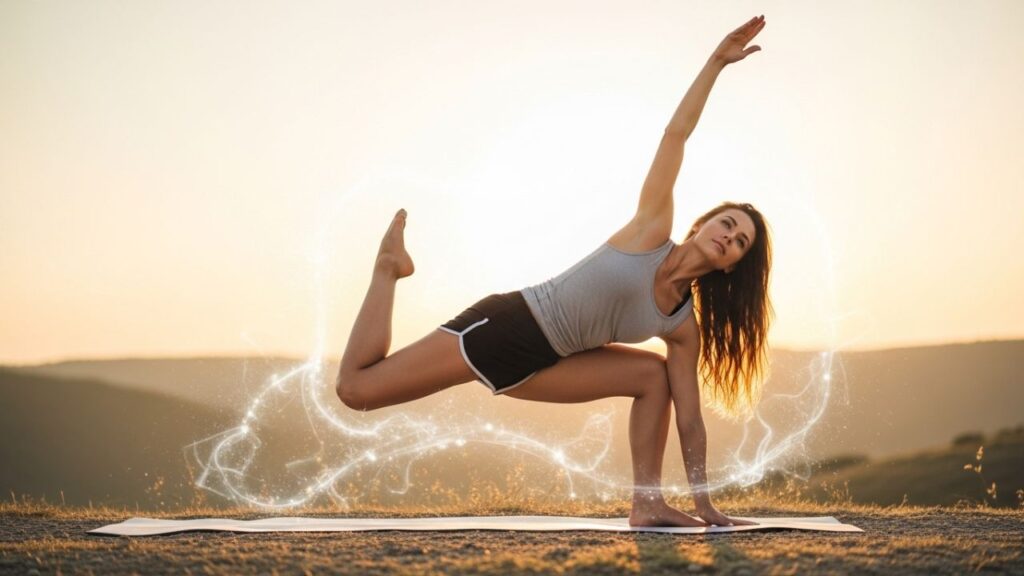
Understanding the Lightness: What “Feeling Lighter” Truly Means for Your Body
Most people say “lighter” means less tension and easier breathing along with better posture and smoother digestion and a calmer nervous system. Yoga helps with all of this through two basic ideas. First it improves blood flow and movement in areas that get squeezed all day like your hips & spine and ankles and chest. Second it teaches slow & steady breathing which lowers stress signals that make your body feel tight and swollen. When stress drops your shoulders relax and your jaw loosens & even your stomach feels less tight.

Maximizing Benefits: How to Practice This Routine for Best Results
Follow these exercises in the sequence provided. Maintain steady and relaxed breathing throughout. Try breathing in through your nose for four counts and breathing out for six counts. The extended exhale encourages your body to enter a more relaxed state. Plan to spend between 12 and 18 minutes on the complete routine. You can practice this sequence in the morning to loosen up tight muscles or in the evening to unwind after your workday. If you experience issues with your knees or spine or have blood pressure problems then move carefully and do not push yourself into deep twisting positions.
Cat-Cow Flow: Liberate Your Spine and Soothe Your Breath
Cat-Cow Pose Begin by positioning yourself on all fours. Your wrists should align directly beneath your shoulders and your knees should sit directly under your hips. As you breathe in allow your belly to sink down gently while lifting your chest upward and directing your gaze forward. As you breathe out, curve your spine upward while tucking your tailbone under and allowing your head to hang down naturally. Continue this movement pattern for 8 to 10 complete cycles at a slow and steady pace. **Benefits:** This exercise activates the entire spine and enhances the mobility of your ribcage. It also promotes easier breathing. People often experience a sensation of heaviness when their upper back becomes tight and their chest feels restricted. This simple movement helps release tension in these areas quickly & safely.
Standing Forward Fold: Release Tension from Your Back and Hamstrings
Stand with your feet about hip-width apart & bend your knees slightly. Fold your body forward and allow your head to drop naturally. Place your hands wherever they comfortably reach on your shins or ankles or let them rest on the floor. Hold this position for 6 to 8 breaths. Why it helps: This forward fold releases tightness through the back of your body and targets your hamstrings and lower back muscles. The position also helps quiet your thoughts. If you have a sensitive neck then tuck your chin just a bit and avoid forcing your head downward. Tip: For an immediate feeling of lightness try swaying gently from side to side while keeping your jaw loose and relaxed.
Low Lunge: Unlock Hips Stiffened by Sitting All Day
Step your right foot forward & place it between your hands while lowering your left knee to the mat. Make sure your front knee stays directly above your ankle. Raise your chest upward and rest both hands on your front thigh. Hold this position for 5 to 7 breaths before switching to the other side. Why it helps: When you sit for long periods your hip flexors become shortened and your legs can feel heavy and stiff. The Low Lunge position opens up the front area of your hip and helps improve both your walking stride and your posture. Once your hips become more open you will notice that walking feels much easier and your lower back typically feels less pressure. Make it safer: If your front knee experiences any stress then move your foot a bit more forward. Place a folded towel underneath your back knee for extra cushioning.
Supine Twist: Ease Digestive Discomfort and Calm Your Nervous System
Lie flat on your back and pull your knees toward your chest. Let both knees fall to your right side while your shoulders stay pressed against the floor. Stretch your arms out to form a T shape. Hold this position for 6 to 10 breaths and then repeat on the other side. Why it helps: Gentle twists feel good when your stomach is bloated or your waist and back feel tight. The real benefit comes from calming your nervous system. A slow twist signals to your body that it can relax and that simple shift can make you feel much lighter. Tip: Keep the twist gentle. Focus on breathing easily rather than twisting as far as you can.
Legs Up the Wall: Reduce Leg Fatigue and Swelling Instantly
Position yourself near a wall & lift your legs upward while lying on your back. You can place your hips directly against the wall or leave a small gap depending on what feels better. Hold this position for 2 to 5 minutes while breathing at a relaxed pace. Why it helps: This pose offers one of the fastest ways to refresh tired legs after standing for long periods or traveling. It improves blood flow and eliminates the heavy sensation that many people experience by evening. Make it cozy: Add a small pillow beneath your head or fold a blanket under your hips for extra comfort.
Bridge Pose: Energize Your Body Gently Without Strain
Lie on your back & bend your knees while keeping your feet flat on the floor about hip-width apart. Push down through your feet and raise your hips up. Make sure your ribs stay relaxed & don’t stick out. Stay in this position for 5 breaths & then lower yourself down slowly. Do this 2 to 4 times. Why it helps: The bridge exercise works your glute muscles and stretches the front side of your body. Opening up your chest and making your hips stronger leads to better posture and makes your body feel more upright. This exercise builds strength in a gentle way that won’t leave you feeling tired. Tip: Push down equally through both feet. If you feel any pinching in your lower back then don’t lift your hips as high & try to lengthen your tailbone instead.
Child’s Pose with Mindful Breathing: End Feeling Light, Clear, and Centered
Get down on your knees & bring your big toes together while spreading your knees a little bit apart. Lower yourself back toward your heels and reach your arms out in front of you. Put your forehead down on the mat and breathe slowly eight to twelve times. Why it helps: This pose lets your body take in all the good effects from your practice. Child’s Pose calms your mind and loosens up your belly and shoulders. Most people find they can breathe more deeply in this position than they could when they first started. Quick option: If your knees hurt you can keep them closer together and put a pillow under your chest for support.
Tiny Daily Tweaks: Lifestyle Habits That Amplify Your Yoga Practice
If you want that light body feeling to last then add two simple habits. First take a short walk after meals when possible even for 8 to 10 minutes. Second drink water steadily through the day instead of suddenly at night. These sound basic but they support digestion and reduce that heavy sluggish feeling that builds up from dehydration and long sitting.
A Beginner-Friendly Weekly Yoga Plan You Can Actually Stick To
Practice this routine four days each week. On your rest days you only need to do two exercises: Cat-Cow for one minute and Legs Up the Wall for three minutes. Staying consistent matters more than pushing yourself too hard. Most people feel less stiff in the morning after just one week. They also notice their hips move more easily and they have fewer days when their body feels heavy. I can write another version if you want. One option focuses on reducing belly bloating and improving digestion. Another option targets heavy legs and swelling for people who stand throughout their workday.