Family & Everyday Life
Planning a Grocery Trip With Sensory and Communication Preferences in Mind
Choose the scope of the trip, confirm the store’s arrangements and agree how help and alternatives will work.
Archive edition: 25 September 2026 · assigned for archive organisation
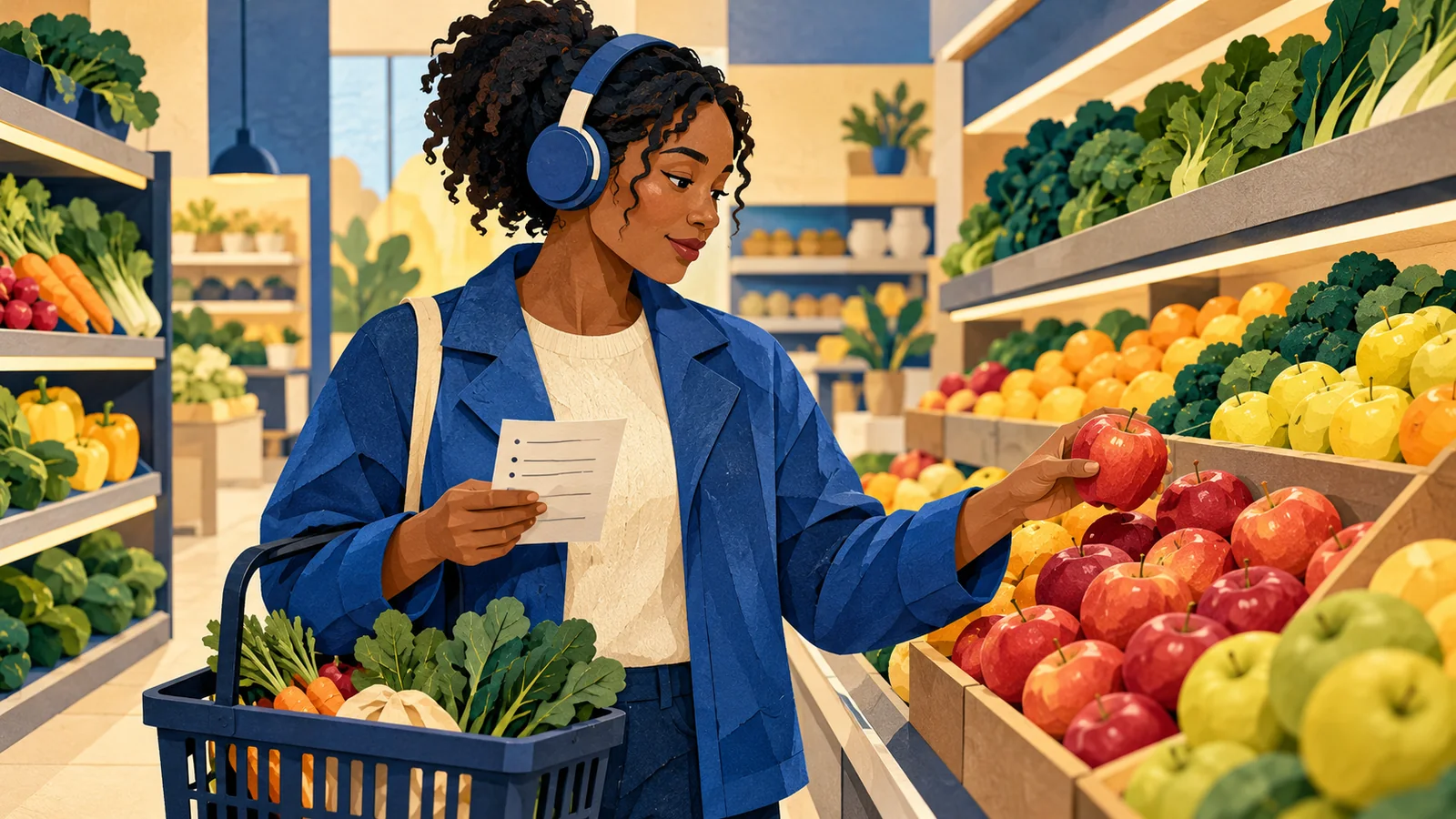
A grocery trip involves more than finding food. There may be a noisy entrance, changing displays, announcements, queues, decisions about substitutes and an unfamiliar payment terminal. A useful plan identifies the parts that matter to the shopper and leaves room to change the arrangement.
This guide is for autistic shoppers and people they choose to support them. It offers an original trip-planning worksheet, not a programme for making someone tolerate an uncomfortable store. Buying groceries through another workable route can also be a successful outcome.
At a glance
- Choose the purpose and scope of the trip with the shopper.
- Confirm current accessibility arrangements with the particular store.
- Prepare for unavailable items, checkout choices and communication needs.
- Agree how to pause, shorten or end the trip without an argument.
Identify the specific barriers
Ask what was difficult on a previous visit, if the person wants to discuss it. “The announcement speaker near the entrance was uncomfortable” gives a different planning question from “I could not find the item after the shelves moved.” Do not assume that all grocery trips are difficult for the same reason.
A participatory study involving 24 autistic adults in seven online focus groups identified supermarkets among commonly difficult sensory environments. Its participants also described the importance of factors beyond sensory input, including predictability and understanding. The sample was primarily UK-based and was not representative of every autistic person. Read the original public-spaces study.
Use the person’s account to choose what to check. A short trip may help with one concern but leave another unchanged. A companion may be useful for finding products but unwanted when they take over every decision. Specify the role instead of assuming that more assistance is always better.
Check the particular store before relying on a label
Some Canadian retailers have offered sensory-friendly shopping periods. For example, a Sobeys corporate article documents a FreshCo initiative in 100 Mile House, B.C., in July 2021. Read that historical retailer account. It is evidence of an initiative, not confirmation of today’s hours or conditions at that store or another branch.
Contact the location through its current official details and ask what actually changes. Is music reduced? Are announcements limited? Is the lighting different? Are the arrangements available on the day you intend to visit? A general “yes, we are accessible” may not answer the shopper’s particular question.
The National Autistic Society’s venue guidance suggests that businesses provide information about quieter times and consider barriers such as lighting, noise and queues. Read its accessible-environments guidance. These are useful subjects for questions; they are not a promise that a store will be quiet or that every suggested adjustment is available.
Make the list useful at the shelf
Choose a list format the shopper can use while moving through the store. It might be a short written list, familiar package photographs or a phone note. Record quantities where that avoids uncertainty. If package size matters, include it rather than relying only on the product name.
Discuss substitutions before they become an urgent decision in the aisle. For each important item, the shopper can choose an acceptable alternative, ask to be contacted, or decide to leave it for another trip. Do not replace a familiar item on someone else’s behalf and assume it is equivalent.
Keep food allergies, dietary requirements and preferences accurate. This planning guide does not determine whether a substitute is medically safe. Product labels and any relevant individual advice still need attention; a matching colour or photograph is not enough to establish equivalence.
| Decision | Useful information | An option to agree |
|---|---|---|
| Scope | Which purchases are essential today? | Buy the short list and leave optional browsing for another visit. |
| Unavailable item | Which alternatives, if any, are acceptable? | Skip the item rather than deciding under pressure. |
| Finding products | Can staff give a clear aisle location or help locate an item? | Use a prepared written request if preferred. |
| Checkout | Which available checkout method suits the shopper? | Ask for help with the terminal without handing over private credentials. |
| Ending early | How will companions communicate and get home? | Use an agreed signal and return to the planned meeting place. |
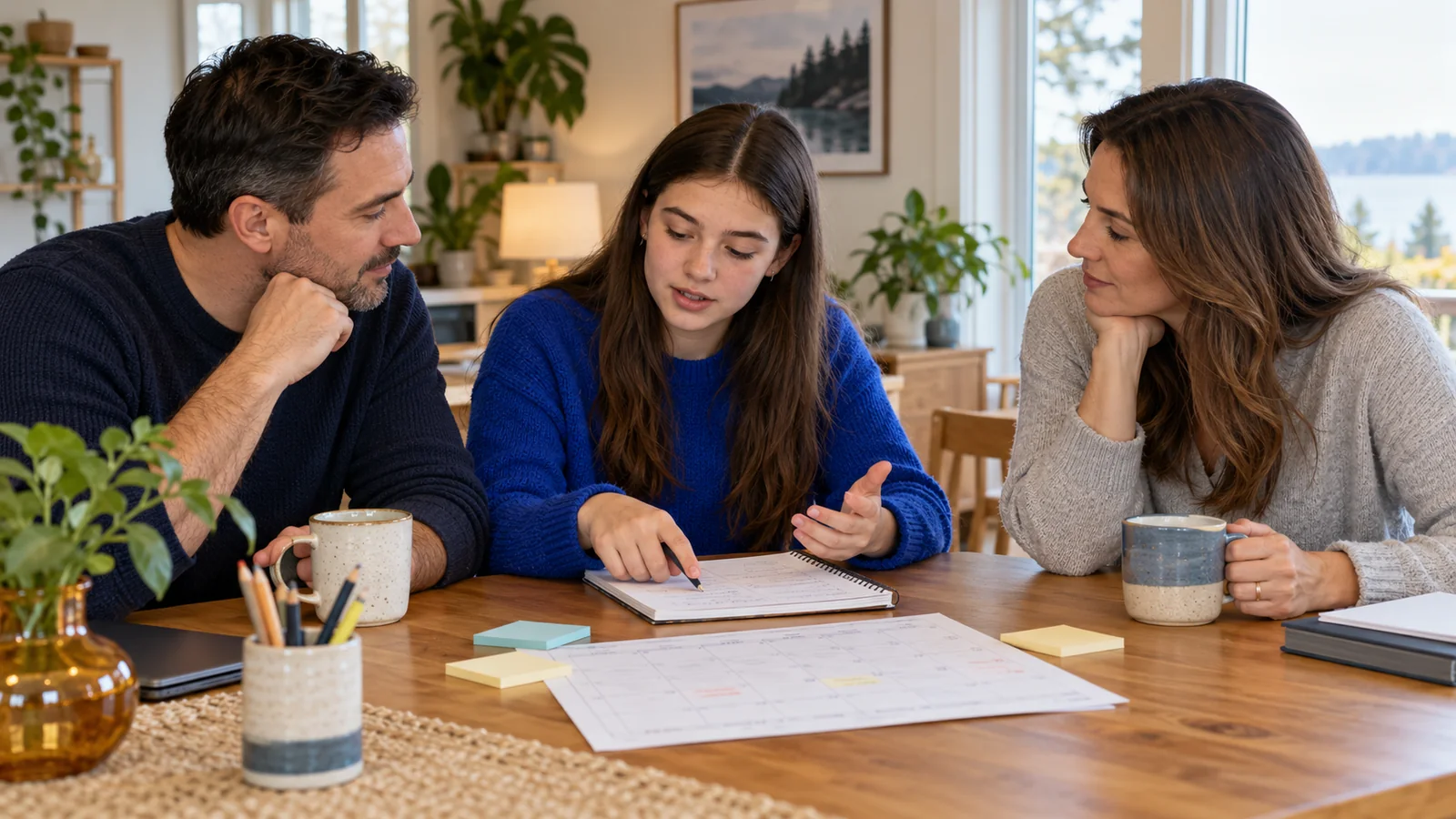
Agree the support person’s role
A shopper might want help carrying bags, reading a label, finding staff or communicating at checkout. Ask which tasks they want to keep and which they want assistance with. Speak to the shopper directly rather than discussing them with staff as though they are absent.
Prepare one or two short requests if useful: “Please show me which aisle this item is in,” or “I need a little more time at the payment terminal.” The person can say, type or show the request in their preferred way. They do not need to give a stranger a full personal history to explain an ordinary practical need.
Include travel and carrying capacity in the plan. A list may fit the budget but be difficult to carry home. Check who will handle the bags and whether the chosen transport works for the amount purchased. This is part of making the trip usable, not an afterthought once checkout is complete.
Keep an agreed way to pause or finish
- Choose. Agree the essential purchases, support role and information to confirm.
- Shop. Use the preferred list and communication method, adjusting the route when needed.
- Finish. Complete or shorten the trip, then note one useful change for next time.
Agree what “I need to leave” means in practice. If two people are shopping together, will they leave together, or is there another safe arrangement they both understand? Avoid adding a surprise requirement to finish every aisle before a request is respected.
For example, a shopper may plan to buy five familiar items with a friend. They agree that if the queue is too difficult, the friend can handle checkout while the shopper waits at a previously chosen place, provided that arrangement suits their support needs. Another person may prefer that both leave together. Neither arrangement should be imposed as a universal rule.
Review the specific experience afterwards if the shopper wants to. Was the list accurate? Did staff provide the promised information? Was the support helpful? A brief record can improve a future trip without turning shopping into a performance test.
Common questions
Are sensory-friendly hours the same at every branch?
Do not assume so. Ask the particular location for its current schedule and the adjustments it provides. A corporate announcement or older news story may not describe today’s arrangements. Confirm again when the visit depends on a specific feature.
Does a quiet shopping period guarantee no loud sounds?
No such guarantee is made here. Ask what the store controls and what may still occur, including queues or essential announcements. Use the answer to decide whether the arrangement suits the shopper rather than treating the label as a complete description.
Is self-checkout always easier?
It depends on the person and the equipment. Some shoppers prefer less conversation; others find scanning, prompts or unexpected errors difficult. Consider the available options and whether staff assistance is accessible. Keep the decision with the shopper where possible.
What if a familiar product is unavailable?
Follow the substitution choice agreed with the person. That may mean a specific alternative, contacting them or leaving the item. Avoid pressuring someone to make a quick choice simply because another shopper is waiting nearby.
Should the first trip be very short?
A short list is one option when it matches the person’s priorities. It is not a compulsory training step. Some people prefer a single larger trip, and others prefer a different shopping method. Discuss the practical trade-offs without judging the choice.
Can we use pickup or delivery instead?
Consider those options if available and useful, checking fees, substitutions, collection arrangements and the accessibility of the ordering process. They are alternatives for obtaining groceries, not evidence that someone has failed at in-person shopping.
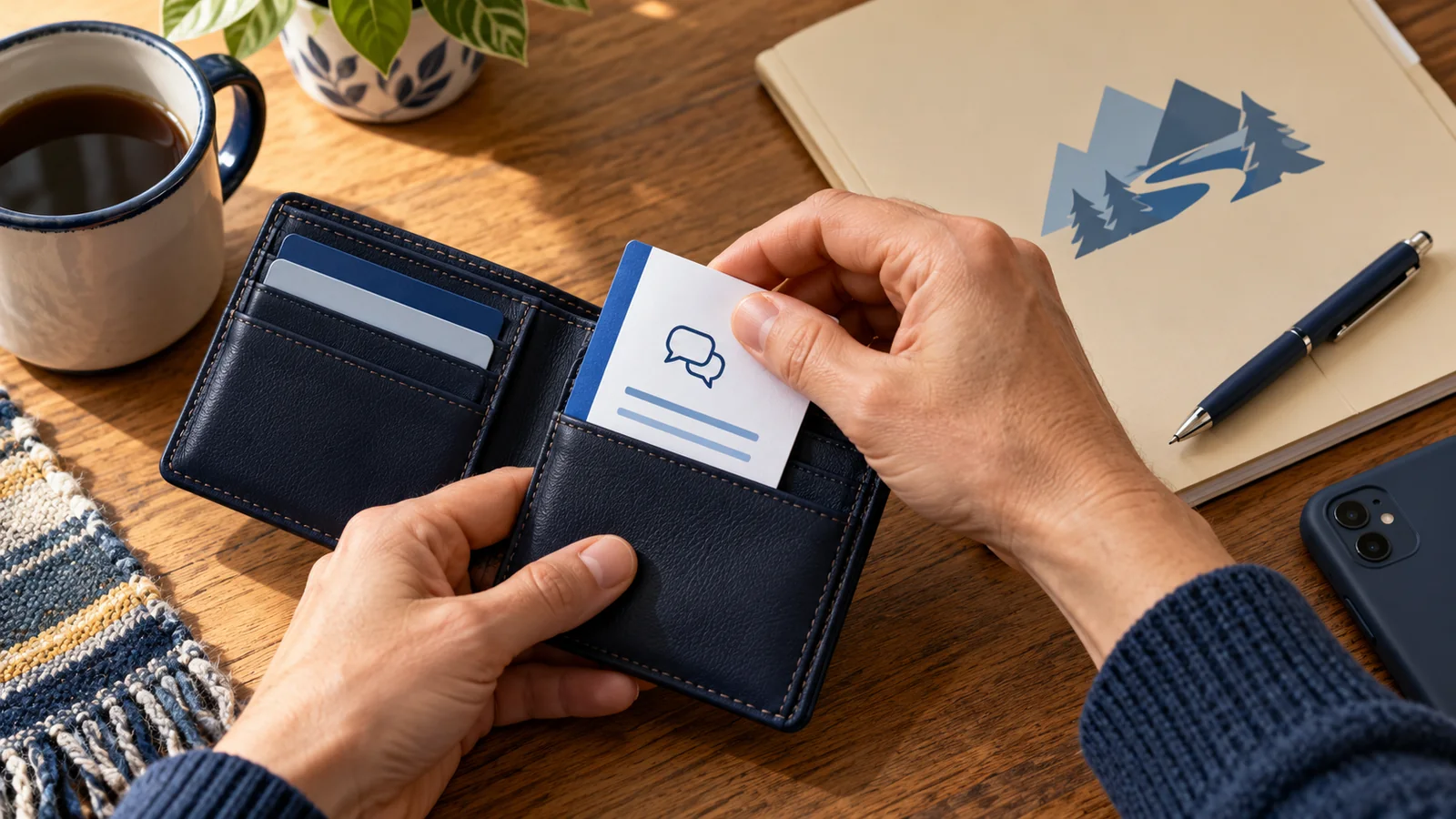
What should a communication card include?
Include the specific request the shopper wants to convey, such as extra time or written directions. Keep it brief and share only information they agree to disclose. A card should support their communication rather than authorise others to speak over them.
What if the store layout has changed?
Ask staff for a current location for the needed item or a practical way to find it. If searching would make the trip too difficult, use the agreed alternative. An old route or aisle list is helpful only while it remains accurate.
How can children participate in a family grocery trip?
Offer a role they want and can access, such as finding one familiar item or choosing between agreed options. Explain the plan in a suitable format and keep their support needs in view. Participation does not require completing every adult shopping task.
What is worth remembering for next time?
Record practical details with the shopper’s agreement: a useful time, a helpful staff contact process, an inaccurate product location or a preferred checkout. Date information that may change. Avoid treating one visit as proof of what every future visit will be like.
Sources
Opened and checked on 21 October 2026. Store hours were not personally confirmed. The 2021 retailer article is historical evidence only. The research paper’s abstract and limitations were read in the browser. Trip examples and the worksheet are original editorial illustrations.
- MacLennan and colleagues: Sensory Experiences of Autistic Adults in Public Spaces — 2023 participatory qualitative study, 24 adults, primarily UK sample.
- Sobeys: Sensory Friendly Shopping Arrives at FreshCo in 100 Mile House, B.C. — 28 July 2021; not a current branch-hours listing.
- National Autistic Society: Accessible environments — UK community guidance for public venues.