Family & Everyday Life
Emergency Information Cards: What to Include and What to Keep Private
Choose the card’s purpose, check its details and connect it to a fuller emergency plan.
Archive edition: 19 October 2026 · assigned for archive organisation
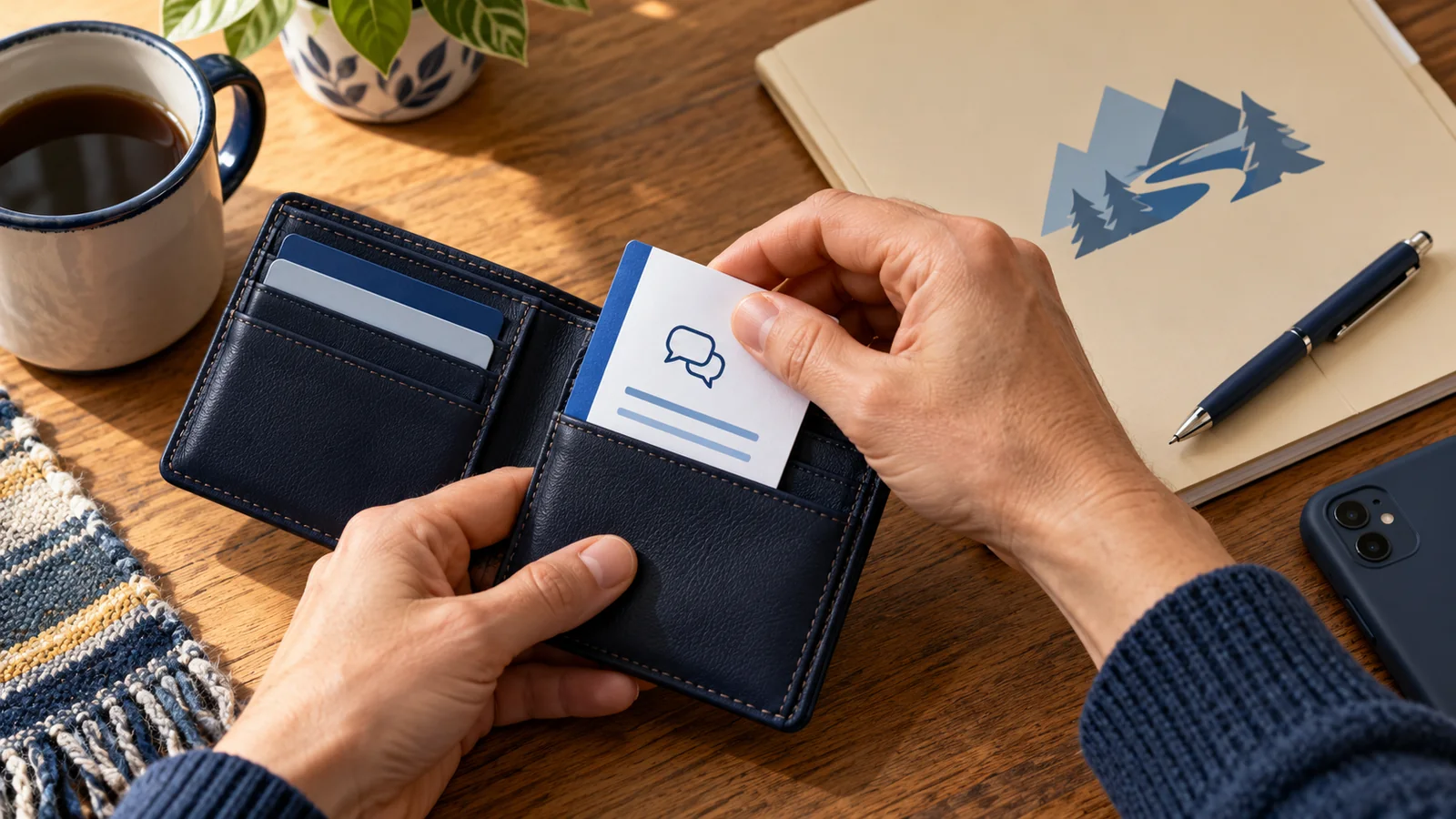
An emergency information card can help someone communicate a small amount of useful information when speaking, remembering details or explaining a need is difficult. It should be designed with the person who may use it. A card is a voluntary communication aid, not a complete emergency plan or a guarantee of how another person will respond.
This guide offers an original card-planning worksheet for autistic people and their chosen supporters in Canada. It focuses on deciding what belongs on a brief card, what belongs in a fuller private plan and how to keep both accurate. Medical details should reflect current professional advice, not instructions invented from a template.
At a glance
- Choose a clear purpose and include the person in every decision about disclosure.
- Prioritise useful communication instructions and appropriate emergency contacts.
- Keep unnecessary identifiers, passwords and financial details off the card.
- Check accuracy, readability, storage and the connection to a fuller emergency plan.
Decide what the card is for
Start with the situation the person wants help communicating through. They may want to explain that they need time to answer, use a device to communicate or have a chosen contact who can provide information. Another person may prefer a card containing only a short request for written instructions.
Do not begin by filling every field in an online template. Ask what each item would help the reader do. A diagnosis may be information the person wants to include, but the label alone does not explain their communication preferences or individual support needs.
Separate routine access communication from emergency information. A card used to ask a shop employee for extra time does not necessarily need the same details as a card intended for emergency responders. One design can serve both purposes only if the person understands and accepts the information it reveals in each setting.
Connect the card to a fuller plan
Public Safety Canada’s current preparedness guidance recommends individual emergency planning, a trusted support network and information about relevant health needs and assistive devices. Its section on invisible disabilities includes preparing instructions about what helps during an emergency. Read the federal disability preparedness guidance.
A short card cannot hold the whole plan. Decide where more detailed information is stored and which trusted people know how to access it. If essential medical information needs to be readily available, discuss an appropriate format and location with the relevant clinician or emergency-planning service rather than omitting it merely to make the card smaller.
PreparedBC’s planning guidance recommends a shared contact plan, an out-of-area contact and knowing where reliable local emergency information will come from. Read PreparedBC’s emergency planning guidance. A wallet card can point toward that wider arrangement, but a phone number on paper does not establish that the person named has agreed to help.
Choose information deliberately
The Office of the Privacy Commissioner of Canada advises asking why information is needed and who will use it, and protecting sensitive identifiers such as a Social Insurance Number. Read the OPC’s personal-information guidance. Apply those questions to the card instead of assuming that more disclosure always makes it more useful.
Consider who could see the card if it is lost, worn openly or shown during an ordinary interaction. A visible badge and a folded wallet card have different audiences. The person may choose a brief public-facing request with more sensitive details kept separately for appropriate use.
| Information | Possible purpose | Decision to make |
|---|---|---|
| Preferred name | Help someone address the person respectfully. | Choose the identification needed for this card’s purpose. |
| Communication request | Explain how to offer or receive information. | Use a short, accurate instruction the person approves. |
| Emergency contact | Reach a chosen person who can assist. | Confirm consent, current number and a backup arrangement. |
| Critical health information | Support an appropriate emergency response. | Check accuracy and suitable placement with a relevant professional. |
| Private account details | Usually unrelated to immediate communication. | Keep passwords, banking details and unnecessary identifiers off the card. |
Write requests that a reader can use
A useful communication line describes an action. Original examples include “Please give me time to answer,” “I may type my response,” or “Please explain one step at a time.” Use only statements that fit the person. Do not print a universal description of autistic behaviour and assume it represents them.
Avoid phrases that could cause a new medical concern to be dismissed. For example, a card should not assert that every change in speech, movement or responsiveness is simply part of the person’s autism. The card provides context; it cannot determine the cause of a new symptom or replace assessment.
Keep the writing respectful and direct. Do not describe the person as incapable of understanding merely because they sometimes communicate differently. If another person helps draft the card, review it with the intended user in a format they can access, including the practical meaning of each statement.
Make it readable and available
Use a clear typeface, strong contrast and enough space between items. Printing a long history in tiny letters defeats the purpose of a quick communication aid. Read the actual printed version at its intended size, not only a magnified screen view.
Choose a storage place the person can use and tell relevant trusted supporters where it is, with their agreement. A paper copy may be useful when a phone is unavailable. A phone-based version may suit another person, but consider whether it can be accessed in the circumstances for which it is intended.
If considering a QR code or online record, investigate who operates the service, what information is exposed, what internet access is needed and how updates or deletion work. Do not assume a code is private because the information is not printed visibly. This guide does not endorse or test a digital medical-record service.
- Choose. Agree on its purpose and the information the person wants to share.
- Check. Verify contacts, wording and any health details.
- Try. Read the printed card and practise finding or presenting it in a calm setting.
- Update. Replace inaccurate copies and review the linked emergency plan.
Review with the right people
In a fictional example, Devon wants a card that explains typed communication and identifies a chosen emergency contact. Devon keeps it folded in a wallet and shows the draft to that contact to confirm the number and role. Detailed health information is handled in a separate, current plan with appropriate professional input. Devon chooses not to put a home address on the routine communication card.
Date the review and check again when a contact, communication preference or relevant health detail changes. Replace old copies in bags or wallets so two versions do not give conflicting information. This maintenance is part of making the card useful, not a reason to collect additional personal details.
Local emergency-management services can explain available planning resources and procedures. A homemade card is not proof of enrolment in a local programme, and it does not guarantee that responders will find it. If immediate danger occurs, seek emergency assistance; do not delay that help to complete or perfect a card.
Common questions
Does every autistic person need an information card?
No. It is an option to consider with the person, based on their circumstances and preferences. Some people find a short card useful; others prefer another communication method. Do not make carrying a diagnosis label a condition of ordinary participation.
Must the card state an autism diagnosis?
This guide sets no such requirement. Discuss whether the label serves the intended purpose and whether the person wants to disclose it. Actionable communication information may be more useful than a diagnosis alone. Any specific programme requirements should be checked separately.
Should I list every medication on a small card?
Do not decide solely by available space. Ask the relevant clinician how important information should be recorded and made accessible, and keep it current. A small communication card and a more detailed emergency plan can serve different purposes without giving conflicting instructions.
Can I name someone as a contact without asking?
Confirm their agreement, the correct number and what role they can realistically take. Discuss a backup if they are unavailable. Naming a person does not guarantee they will answer or establish authority to make decisions for someone else.
Is a card worn around the neck more useful?
It may be easier to notice but also exposes information to more people. Consider the purpose, the person’s preference and the sensitivity of the details. A visible communication request and a private information record do not have to contain the same material.
Can a card give someone permission to make medical decisions?
Do not treat an ordinary homemade information card as a legal decision-making document. Authority and consent depend on the applicable circumstances and law. If that is your concern, seek the appropriate professional guidance and keep formal documents distinct from this communication aid.
Is a QR code automatically safer than printed text?
No. Its privacy depends on the linked service, access controls and information shared. Consider what happens without internet access and who can open the link. Review the provider’s practices before uploading personal information, rather than assuming the code itself protects it.
What should I leave off a routine communication card?
Exclude passwords, financial account details and unnecessary identifying information. For other sensitive details, ask what action they enable and who might see them. Important emergency health information needs an appropriate accessible location; privacy planning should not simply hide it from those who need it.
How can we check whether the wording is understandable?
Ask a trusted person to read a draft in a calm setting and explain what action it requests. Use fictional details if testing layout with someone who does not need the real information. Revise unclear wording without adding a long personal history.
When should the card be replaced?
Replace it when information changes, the print becomes unreadable or the person changes their disclosure preferences. Check any duplicate copies and the fuller plan at the same time. A visible review date helps distinguish a current version from an outdated one.
Sources
Primary Canadian preparedness and privacy sources checked on 21 October 2026. PreparedBC was read in the browser after a retrieval error. The older GetPrepared disability-guide address redirected to a general hub; the current federal page below was located and read instead. This worksheet and Devon example are original editorial material, not a clinical or emergency-service-approved card.
- Public Safety Canada: Emergency preparedness for persons with disabilities — dated 16 February 2026; individual planning and information needs.
- PreparedBC: Make your emergency plan — updated 24 July 2026; communication planning and official local information.
- OPC: 10 tips for protecting personal information — information-purpose questions and sensitive identifiers.