Family & Everyday Life
Restaurant Visits: Questions to Ask About a More Accessible Experience
Check the details that matter to the diner, then separate requests from confirmed arrangements.
Archive edition: 26 September 2026 · assigned for archive organisation
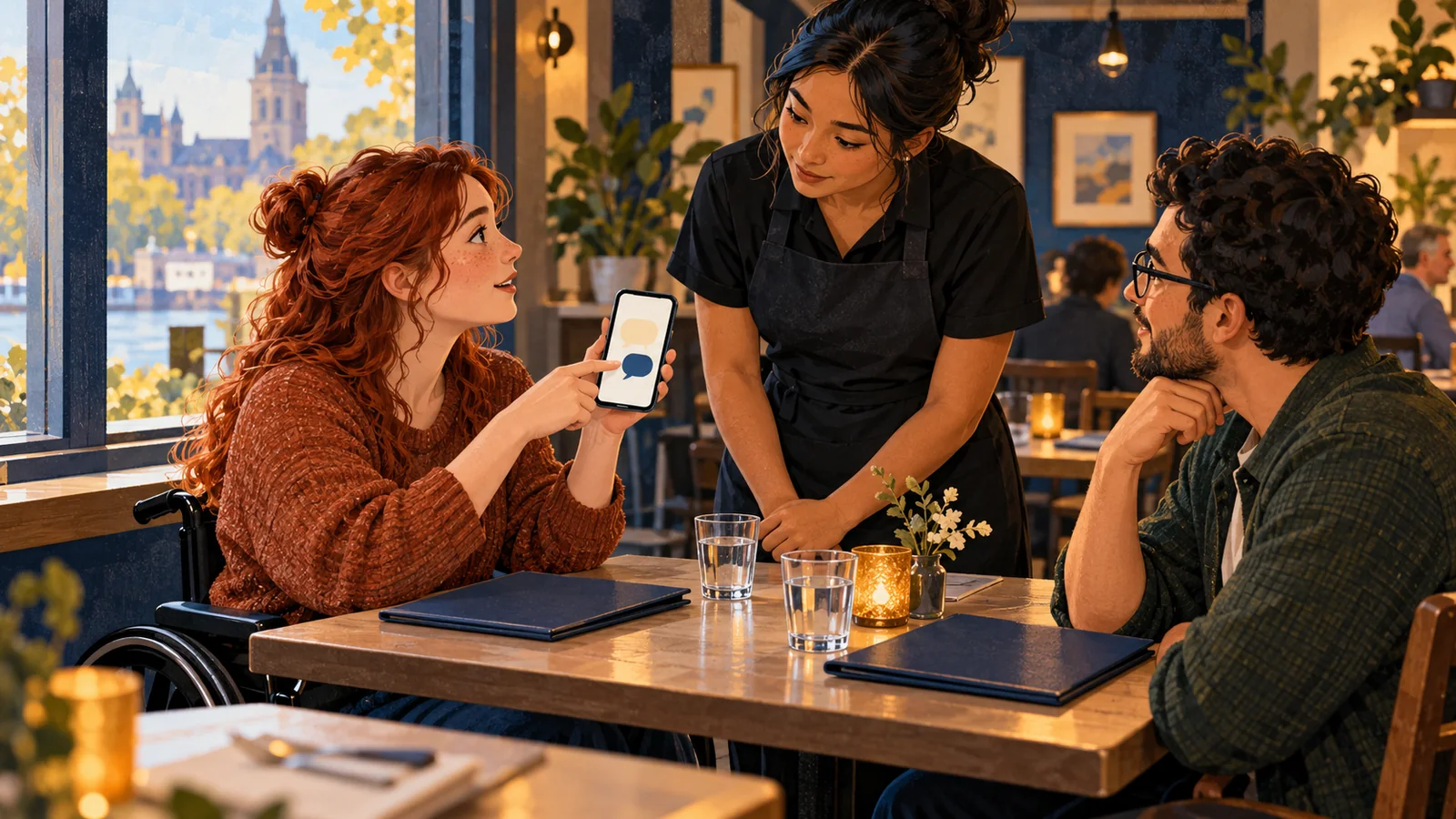
Planning a restaurant visit is easier when the questions match the diner’s needs. “Is your restaurant accessible?” may produce a friendly answer without explaining the entrance, menu format, background music or ordering process. A few specific questions can give you more useful information.
This guide helps autistic diners and their chosen companions prepare for an ordinary meal out. It does not rank restaurants, certify a venue or promise that a request will be available. The aim is to make an informed choice and keep the diner’s preferences central.
At a glance
- Ask the diner which parts of the experience need planning.
- Check the particular location, date and service period.
- Separate a request from a confirmed arrangement.
- Agree how ordering, waiting, payment and an early departure will work.
Choose the questions that matter to the diner
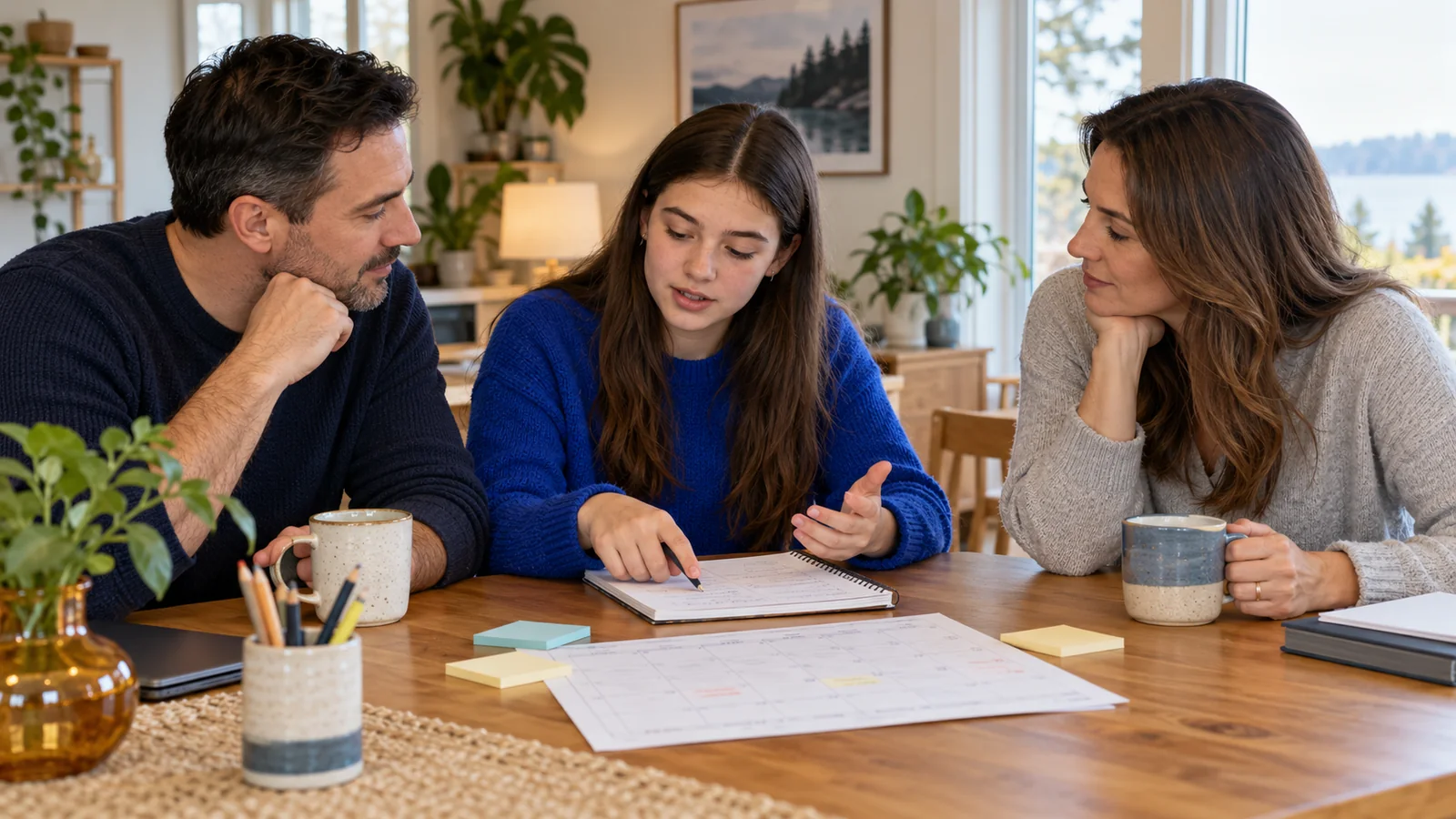
Start with the purpose of the visit. Is it a brief lunch, a birthday meal or time with a friend? Ask what would make that experience worthwhile and what could make it difficult. A person may want a familiar dish, a clear way to communicate with staff, a seat away from the kitchen or a predictable finish time.
Research with 24 autistic adults in online focus groups identified eateries among commonly difficult public sensory environments. The study also emphasised variation between individuals and limitations in who participated. Read the public-spaces study. It does not establish that every autistic diner needs a quiet corner or that a particular restaurant format is best.
Keep the question list proportionate. If the person is comfortable with the room but cannot use the online menu, focus on obtaining a usable menu. If the difficulty is waiting in a crowded entrance, ask about the arrival process rather than collecting details about every table.
Check the location and the service period
A chain-wide policy can explain a company’s approach, while the local restaurant needs to answer practical questions about the visit. For example, The Keg’s published accessibility policy discusses individual needs, communication and customers using assistive devices. Read the restaurant company’s policy. This is an example of a source to inspect, not an endorsement or evidence that a specific table or adjustment will be available.
Ask the location when the relevant conditions are usually different. Lunch and evening service may have different music, lighting, menus or demand. Ask whether a private event or other known change affects your intended visit. Staff can describe what they know; they cannot reliably predict every sound or other customer’s behaviour.
If an adjustment matters to the booking, ask how it is recorded and who will confirm it on arrival. A request in an online comment field is not the same as a response from the restaurant. Keep a brief note of what was agreed without assuming that a general policy settles every detail.
Ask about the whole visit
| Part of the visit | Question to consider | What to confirm |
|---|---|---|
| Arrival | How do we enter and check in, and where do people wait? | The usable entrance and the process if a table is delayed. |
| Seating | Can you describe seating away from a particular noise or traffic source? | Whether the requested arrangement is confirmed or only a preference. |
| Menu | Can the diner receive the current menu in a format they can use? | The menu for that location and service, including any expected changes. |
| Ordering | Can staff accept a written or device-based order and allow time for a response? | How to communicate the request to the server. |
| Facilities | Where is the washroom, and is the route suitable for the diner? | Relevant physical access details rather than a general label. |
| Departure | How can we request the bill or take remaining food away? | Any practical arrangements needed if the meal ends earlier than planned. |
Use only the rows relevant to the diner. A person should not have to complete a lengthy assessment to meet a friend for lunch. Companions can help obtain information if asked, while leaving choices and communication with the diner.
Make a clear request without oversharing
A useful enquiry names the barrier and the requested arrangement: “I use a communication device and may need more time to order. How should I let the server know?” Another might be: “Can you tell me whether music is played in the dining room at lunchtime?” These questions do not require a detailed account of diagnosis or medical history.
Where Ontario rules apply, the province’s public guidance explains accessible customer service, staff training and accessible feedback processes. Read Ontario’s accessibility overview. Requirements vary by jurisdiction and situation; this article does not turn an Ontario summary into a single legal rule for every Canadian restaurant.
If staff respond to a companion instead of the diner, a short clarification may help: “Please ask me directly; I will type my response.” Agree beforehand whether the companion should step in and what support is wanted. Do not assume that using a device means the person wants someone else to choose their meal.
Keep food questions accurate
Check whether the displayed menu is current and whether a chosen dish is offered during the intended service. If presentation or a separate component matters, ask specifically rather than assuming the kitchen will interpret a general request such as “plain.” Clarify what the restaurant can confirm.
Food preferences and food allergies require different conversations. If an allergy or another medical dietary requirement is relevant, communicate it accurately and follow the person’s established advice. This accessibility checklist cannot establish ingredient safety or the absence of cross-contact, and a familiar dish name alone does not answer those questions.
For a social occasion, agree with companions that a different meal, shorter stay or alternative format can still be part of the plan. Avoid making the outing depend on trying unfamiliar food or remaining until everybody else is ready to leave.
Agree a workable alternative
- Ask. Identify the diner’s priorities and send a few specific questions to the location.
- Confirm. Check the response, current menu and arrangements that matter to the visit.
- Adjust. Use the agreed communication and departure plan if the actual experience differs.
For example, two friends may choose a restaurant after confirming that a table away from a speaker can be requested. They also agree that if the available table is unsuitable, they will discuss another arrangement before ordering. That is more realistic than promising an entirely quiet evening.
After the visit, distinguish an inaccurate promise from an unexpected event and from a personal preference. If you want to give feedback, describe the specific barrier, its effect and the response that would help. Use the restaurant’s published feedback route. The diner should decide what personal information accompanies that feedback.
Common questions
Does an accessibility policy guarantee a suitable meal out?
No. It can explain the organisation’s approach and contact process, but the diner’s needs and the location’s actual arrangements still matter. Confirm the details that affect the visit rather than treating a policy or badge as a complete venue description.
Should we always book the earliest table?
Ask the location about the relevant service period and consider the diner’s preferences. An earlier booking is not automatically quieter or more accessible. Staffing, deliveries, lighting and events may differ, so obtain useful information rather than relying on a universal rule.
What if the restaurant only has a QR-code menu?
Ask for a usable alternative or a current menu in advance. Explain the format needed without assuming the diner has a suitable phone, data connection or access to the website. Confirm that the alternative covers the menu being served.
Can a diner order by typing or pointing?
Ask how the restaurant can support the preferred communication method. A companion may help if the diner requests it. Staff should address the diner directly, and the plan should allow time to confirm the order accurately.
Do we need to disclose an autism diagnosis when enquiring?
A practical enquiry can begin with the relevant access need and requested arrangement. Share personal information deliberately and with the person’s agreement. If a particular process asks for further information, clarify why it is needed before supplying more detail.
What if a requested table is unavailable?
Ask what alternatives are possible and check whether they meet the actual need. A different table may help, or it may leave the barrier unchanged. Use the plan agreed with the diner rather than pressuring them to accept the first available option.
Should a companion place the order?
Only if that is the support the diner wants. They may prefer to communicate directly while the companion helps with one detail. Agree the role beforehand and avoid interpreting a slower response as permission to take over.
Is takeaway a reasonable alternative?
It may be, if it suits the purpose of the outing and the people involved. Check the menu, collection process and costs. It should be a real option chosen by the diner, not an automatic exclusion from eating in the restaurant.
How can we prepare for a celebration?
Ask about the parts likely to matter, such as surprise singing, group seating or a long wait between courses. Confirm the plan with organisers and the restaurant. Avoid promising that other diners or the whole room will remain predictable.
What makes feedback useful?
Describe what happened, how it affected access and what change would have helped. Include the visit details needed to investigate, while limiting private information to what the diner agrees to share. Ask how the organisation will respond through its feedback process.
Sources
Opened and checked on 21 October 2026. No restaurant was visited or personally assessed. The company policy is an example, not an endorsement. Ontario guidance and the research paper were read in the browser. The checklist and dining example are original editorial planning aids.
- MacLennan and colleagues: Sensory Experiences of Autistic Adults in Public Spaces — 2023 participatory study; primarily UK sample and stated inclusion limitations.
- The Keg: Accessibility Policy — published company policy, last revision stated as January 2026; local arrangements require confirmation.
- Ontario: Accessibility in Ontario—what you need to know — customer service and feedback guidance; Ontario-specific.