Inclusive Education
Art Classes: Planning Materials and Instructions Around Student Preferences
Make art materials and instructions accessible while keeping creative decisions with the student.
On this page
- At a glance
- Identify what the lesson is teaching
- Ask about materials before the activity begins
- Make useful choices ordinary
- Explain instructions without taking over the idea
- Plan the whole activity, including cleanup
- Keep assessment and feedback connected to learning
- Review choices after trying them
- Common questions
- Sources
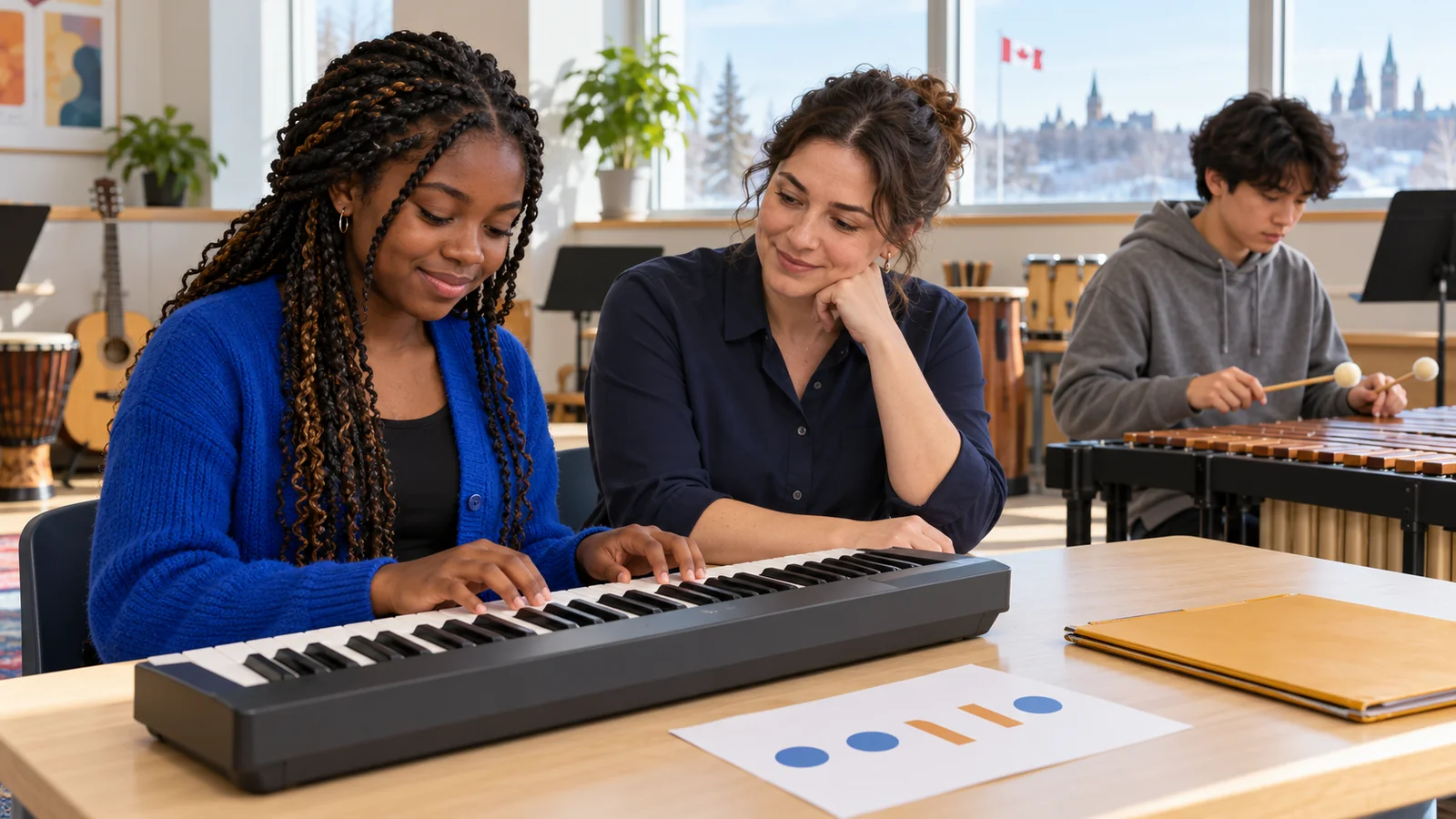
Art class offers many ways to explore ideas, materials and expression. Access can become difficult when a task assumes everyone can tolerate the same texture, hold the same tool or follow a demonstration at the same pace. Begin by asking the student what they want to create and which part of the activity needs a different arrangement.
A useful adaptation preserves the student’s creative decisions. It should help them make and communicate their own work, rather than having an adult complete a project for them. This guide offers planning questions for school art lessons; material safety and individual equipment needs remain matters for the responsible staff and relevant professionals.
Identify what the lesson is teaching
Ask whether students are exploring colour, composition, texture, a specific technique or another artistic concept. This distinction helps the teacher consider which aspects can vary. If the goal is arranging shapes, there may be several suitable media; if the goal is learning a particular printmaking process, the discussion may need to focus on access to that process.
The National Society for Education in Art and Design’s anti-ableist pedagogy page notes that approaches to teaching and assessment can create barriers even in a subject regarded as inclusive. Its public overview is a useful reminder to examine expectations, not only the student. We have not reviewed its members-only magazine resource.
Ask how the student can show the intended learning without being judged on an unrelated access barrier. Neat cutting, rapid handwriting or willingness to touch wet paint may not be the central artistic goal. The teacher should explain the relevant criteria rather than assuming every visible feature of the product is equally important.
Ask about materials before the activity begins
Different students may respond differently to wet, dry, sticky, dusty or strongly scented materials. Ask what the student has enjoyed or found uncomfortable before, and whether they want to try an unfamiliar medium. Do not treat reluctance as proof that they dislike art.
Where appropriate, show the material and explain how it will be used, how long the activity lasts and how cleanup works. Trying a small amount should be a genuine option, not a disguised requirement to continue. Check applicable school safety instructions and any relevant allergy or health plans.
An alternative might involve another suitable tool, a different way to handle material or a different medium that meets the learning goal. Avoid prescribing gloves, grips or specialist equipment without checking suitability. The student’s comfort, control and safety all matter.
Make useful choices ordinary
The GIVE Guide’s teaching tools and materials page recommends including adaptive materials alongside other classroom materials and offering varied tools, such as different marker sizes. This can make options easier to access without labelling one student as the only person allowed to use them.
Offer a manageable selection rather than an overwhelming collection of possibilities. Explain what each option can do and let the student explore an appropriate choice. A tool preferred for one task may not be preferred for another.
| Part of the activity | Question to ask | Possible option to discuss |
|---|---|---|
| Materials | Which textures or other properties matter to the student? | A suitable alternative that retains the learning goal |
| Tools | Can the student hold, reach or operate them? | A different tool or appropriately assessed support |
| Instructions | Can the sequence be followed at the student’s pace? | A demonstration with a short usable step list |
| Workspace | Are materials and work areas easy to locate? | A clear layout and reachable supplies |
| Sharing | How does the student want to explain or display the work? | An agreed spoken, written or other presentation |
Explain instructions without taking over the idea
Separate the necessary steps from creative choices. “Use the agreed materials safely and show a contrast between two areas” leaves more room for authorship than requiring every student to copy an identical finished picture. Where a model is used, explain whether it is an example, a technique demonstration or an expected result.
CAST’s guidance on tools for construction, composition and creativity recommends considering varied tools unless learning a particular tool is itself the goal. That distinction can help teachers discuss alternatives while retaining the purpose of the lesson.
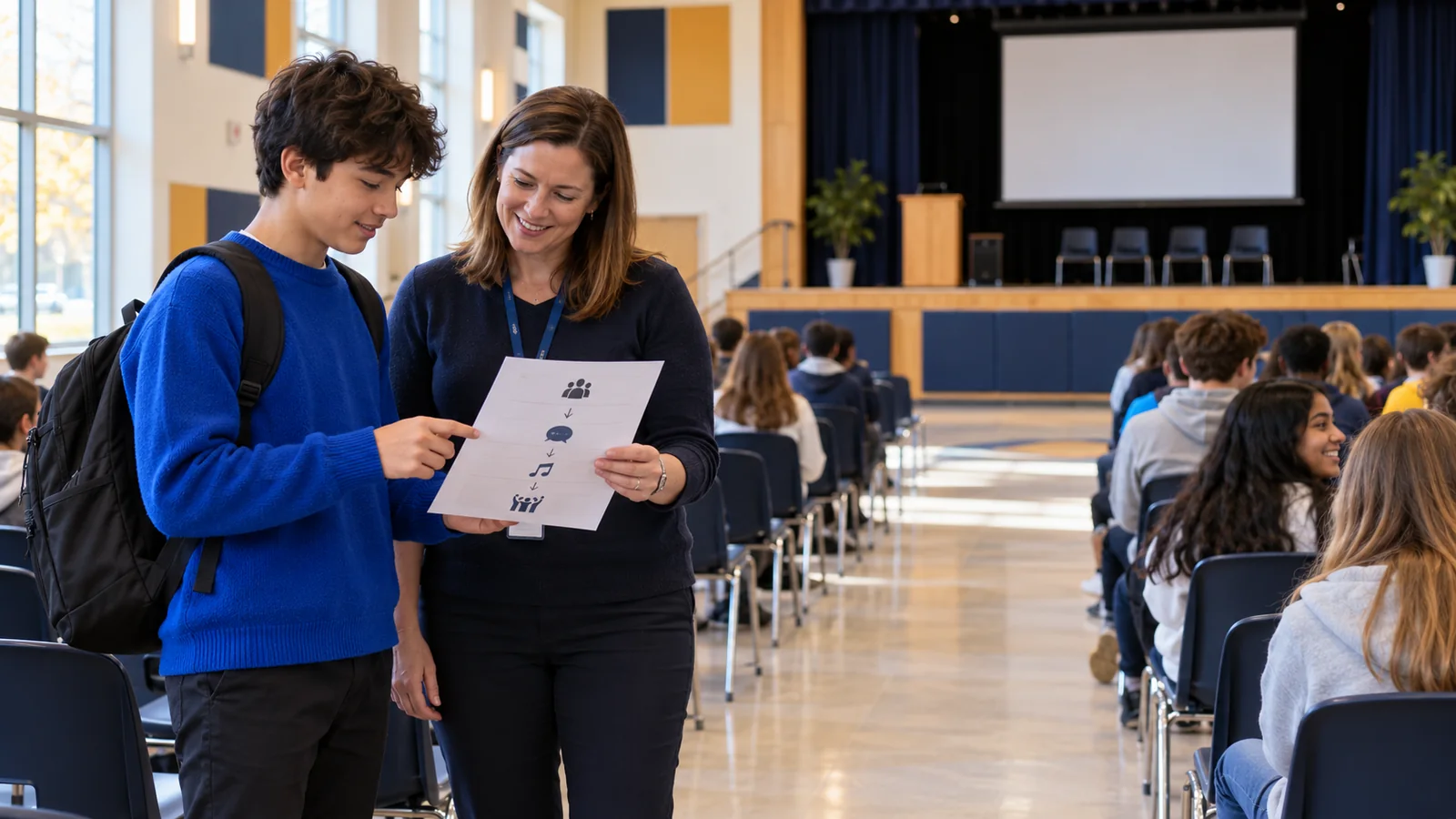
Break instructions into a usable sequence when helpful, but avoid turning every creative decision into a command. Ask whether the student wants feedback, a demonstration or time to explore. If physical assistance is needed, explain it and obtain the student’s agreement through their communication method; do not move their hands without appropriate consent and planning.
Plan the whole activity, including cleanup
- Explore: Identify the artistic goal and the student’s idea.
- Choose: Agree on suitable materials, tools and support.
- Create: Keep instructions accessible and decisions with the student.
- Finish: Explain storage, cleanup and how the work will be shared.
Some barriers appear after the creative work. Where does a wet piece go? How are tools returned? Which sink is available? What happens if the student needs more time or wants to continue next lesson? Explain these arrangements so the final minutes do not become confusing or rushed.
Provide an agreed way to pause and obtain help. If work must be stored, label it using the school’s usual privacy arrangements and tell the student where to find it. Avoid changing or “improving” the piece while it is stored unless the student has asked for that specific help.
Keep assessment and feedback connected to learning
Ask what the teacher is assessing and how the student’s process can be understood. A short explanation, photographs of stages where appropriately permitted, or another accessible record may help show decisions that are not obvious in the final product.
Feedback should help the student understand the artistic goal and develop their ideas. Do not assume a different appearance means a lesser result. Equally, support does not mean withholding useful teaching. Discuss the work respectfully, with clear information about what is successful and what could be explored next.
Before displaying or sharing identifiable work, follow school procedures and discuss the student’s wishes. Some students enjoy public display; others prefer a smaller audience or a private portfolio. Permission to make art in class is not automatically permission to post an image or personal explanation online.
Review choices after trying them
Ask whether the student could use the materials, follow the process and make the decisions they wanted. Did an adaptation increase control or create another difficulty? Was the support actually available? Record the useful details without turning a preference into a permanent rule.
Revisit the plan when moving to a new medium or project. A successful drawing arrangement may not answer questions about clay, textiles or digital art. Keep the conversation focused on access to the next artistic goal and the student’s developing interests.
Common questions
Does avoiding one material mean a student dislikes art?
No. The difficulty may concern texture, smell, handling, instructions or another feature of the activity. Ask about the particular material and what the student wants to make. Other suitable tools or media may provide access to the same artistic idea without assuming the whole subject is unwanted.
Should every student produce the same finished picture?
That depends on the lesson, but clarify which elements are essential and which are creative choices. A model can demonstrate a technique without becoming a requirement for identical work. Ask how the student can show the intended learning while retaining meaningful authorship.
Can different tools be offered to the whole class?
Often that is a useful option, subject to safety and the learning goal. Presenting varied tools together can make choice ordinary rather than stigmatising. Keep the selection understandable and check whether a particular tool actually helps the student control the task.
Are gloves always the answer to uncomfortable textures?
No. Suitability depends on the material, activity and student, and gloves can create different handling or sensory difficulties. Discuss appropriate options with responsible staff and follow relevant safety or health plans. Do not assume one piece of equipment resolves every barrier.
How much should an adult help?
Provide the support needed for access while preserving the student’s decisions and work. Ask whether they want an explanation, demonstration or another kind of assistance. Avoid completing the artwork to make it look more polished or physically guiding their hands without appropriate agreement.
Can digital art demonstrate the same learning?
Sometimes, depending on the goal. It may support an idea about composition or colour while not demonstrating a particular physical technique. Ask the teacher to explain the relationship between the medium, curriculum expectation and assessment rather than treating all formats as automatically equivalent.
Why include cleanup in the plan?
Returning materials, washing tools and storing unfinished work can involve unclear instructions or difficult sensory experiences. Planning these steps helps the student finish without unnecessary confusion. It also clarifies what support is available and whether work can continue in a later lesson.
Should work be corrected before display?
Do not alter the student’s work simply to make it match an adult’s preference. Teaching feedback and agreed assistance are different from taking over the final product. Discuss proposed changes with the student and preserve their authorship, including when preparing a display.
Can the school post artwork online?
Follow the school’s consent and privacy procedures, especially if the work, photograph or accompanying text identifies the student. Discuss the intended audience and the student’s preferences. Participation in the lesson should not be treated as automatic agreement to wider publication.
When should material preferences be reviewed?
Revisit them when the task, medium or student’s wishes change. A preference from one project is useful information, not a permanent restriction. Ask whether the student wants to explore something new and keep any trial appropriate, clearly explained and free from pressure.
Sources
Primary art-education, teaching-artist and learning-design guidance checked on 22 October 2026. Only publicly accessible pages were reviewed; no members-only resource or specialist equipment was tested or endorsed.