Inclusive Education
Snow Days and School Closures: Keeping Communication Clear
Separate school, transportation and care notices, then explain a realistic backup plan.

A message that buses are cancelled does not always mean school is closed. Weather notices can also affect a particular transportation area, childcare programme, field trip or after-school activity. Reading the exact notice helps families make arrangements without relying on assumptions or an old screenshot.
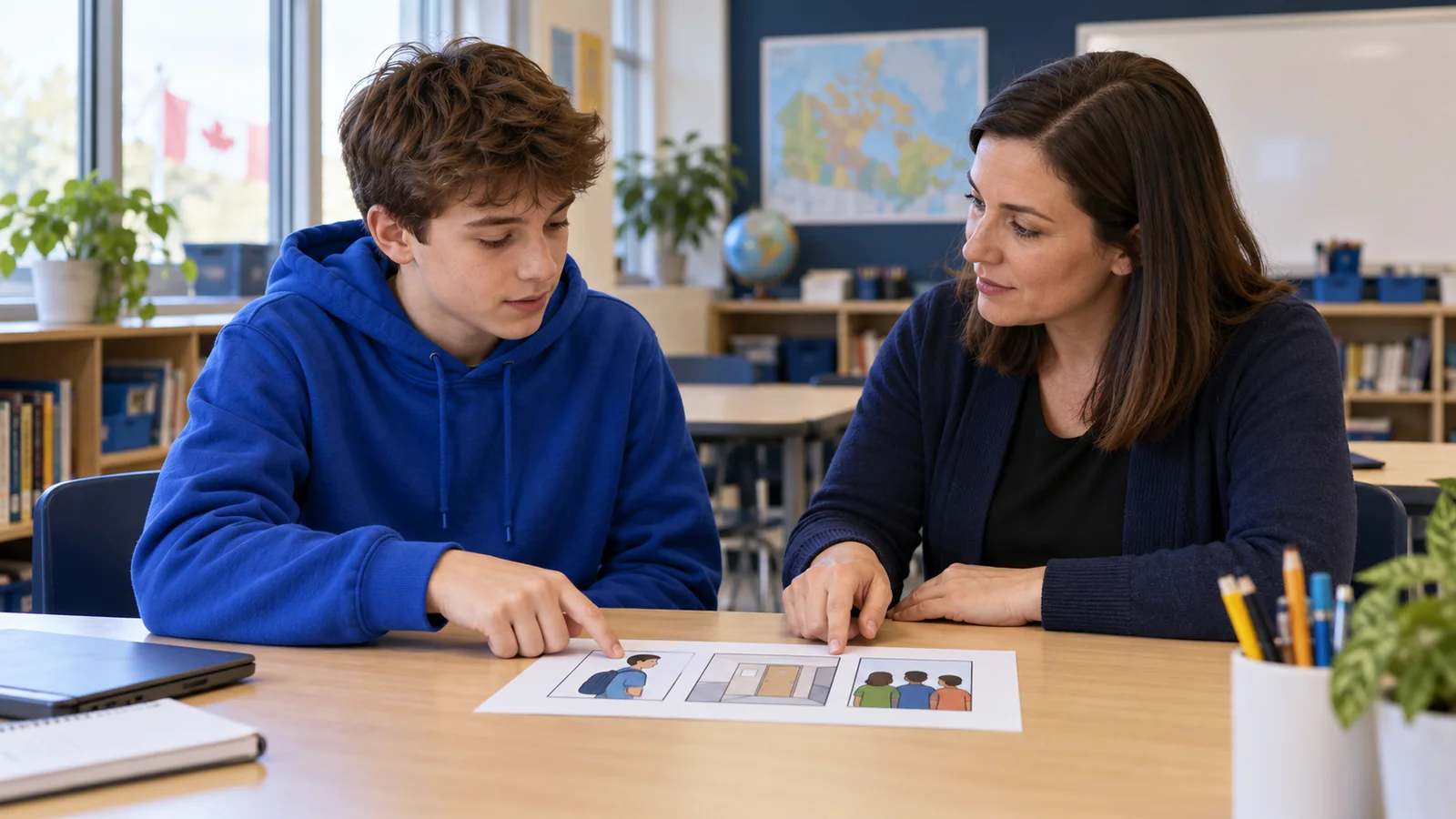
Accessible communication means making the change understandable to the student as well as receiving the announcement. A short backup plan can identify where to check, who needs to know and which parts of the day remain familiar.
Read the announcement precisely
Start with the school board’s official website or notification channel and the relevant transportation service. Check the date and whether a notice applies to all schools, one site or a transportation area. A message forwarded from another family may be accurate but apply somewhere else.
TDSB’s snow and cold-weather information distinguishes cancellation of transportation or programmes from school closure. It also states that closed schools do not have staff on site to supervise students. This is a board example; confirm the arrangements announced by your own school.
Do not treat a weather forecast as a school-closure announcement. Forecasts inform planning, while the school or board communicates its decision. If two messages conflict, look for the most recent official update and contact the designated service when clarification is necessary.
Make a small backup plan before it is needed
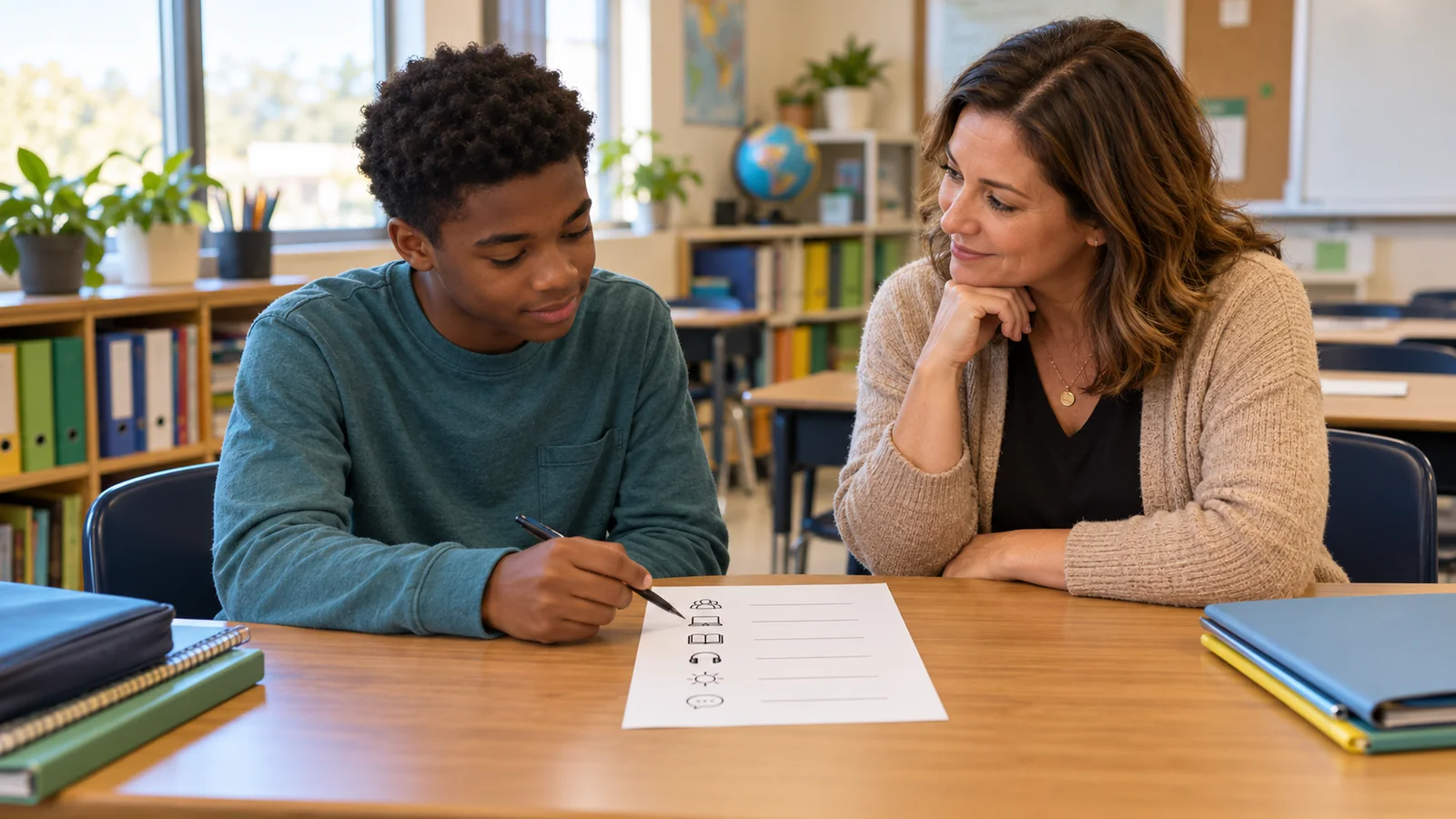
List the official channels your family uses and ensure the school has current contact information. Ask how notices can be received in a language or format you understand. Check whether notifications cover transportation as well as the school itself.
Agree who can supervise the student if the building closes and how that person will be contacted. Include the student in age-appropriate planning. Families may have limited flexibility, so identify realistic options rather than assuming a caregiver can always work from home or leave a job without notice.
Confirm the availability of any backup arrangement. A relative who helped last winter may not be available now. If a closure creates an immediate supervision problem, contact the school’s designated family-support or administrative channel for local information; do not assume the closed building can provide care.
- Verify. Read the current notice for the right school and service.
- Arrange. Confirm supervision, travel and any required absence reporting.
- Explain. Tell the student the revised plan and the next point for an update.
Check each affected service
YRDSB’s severe-weather page explains that buses can be cancelled while schools remain open. It also addresses afternoon transportation and separate programme arrangements. These details show why “snow day” is too broad to serve as the whole plan.
| Part of the day | Question to resolve |
|---|---|
| School building | Is this school open, closed or dismissing early? |
| Transportation | Does the notice affect the student’s route or area, and both journeys? |
| Supervision | Who has confirmed responsibility for the student during the changed hours? |
| Care and activities | What has the childcare or activity provider announced separately? |
| Learning and attendance | Is an absence report required, and has the teacher issued any revised expectations? |
If the family chooses to send the student when transport is cancelled but school is open, confirm the complete journey and collection arrangement. Do not assume an afternoon service will resume because roads look clearer. Follow the current transportation notice and school procedures.
Explain the change without promising certainty
A simple message might be: “School has confirmed that the building is closed today. We are staying here with Grandma. We will check the school message after dinner for tomorrow.” Use the actual arrangements; the example is a communication format, not a universal schedule.
Keep familiar parts of the day where they help, such as usual meals, a preferred activity or a predictable place for materials. The National Autistic Society’s information on predictability and routine describes involving autistic people in changes and allowing processing time. Ask which routines this student values rather than trying to reproduce every school activity at home.
If tomorrow is uncertain, say so plainly. Give a reasonable time for checking again instead of repeatedly refreshing notices in front of the student. A visual schedule can include a clear “waiting for school update” item without inventing a definite answer.
Clarify learning expectations and the return
A closure does not automatically tell families whether remote learning, optional activities or changed deadlines apply. Use the teacher’s actual instructions. If power, internet, equipment or adult availability makes an activity inaccessible, explain the barrier through the agreed channel when possible.
Before the return, check for a new notice and help the student identify essentials for the next day. Ask about cancelled assessments or activities rather than assuming they move to the first morning back. Keep the explanation brief and update it when the school confirms details.
Common questions
Are schools always closed when buses are cancelled?
No. Some boards keep schools open when transportation is cancelled. Read the specific announcement for the student’s school and route or service area. Do not rely on the phrase “snow day” alone, because it may describe different arrangements for different families in the same region.
Will the afternoon bus run if the morning bus is cancelled?
Check the transportation notice rather than assuming service will restart. For example, YRDSB describes cancellations that apply to both morning and afternoon journeys. Other arrangements may differ. Confirm how the student will get home before deciding on attendance when the usual transportation is unavailable.
Should I report the student absent?
Follow the school’s current attendance instructions. Requirements can depend on the type of closure or transportation cancellation. If the school remains open and the student stays home, check its safe-arrival process. Do not assume a bus cancellation automatically tells the classroom teacher where every student is.
What if a closure message is only available online?
Ask the school in advance about available notification methods and accessible alternatives. Keep important contact information available offline where practical. If internet or power is unavailable during an event, use the official alternatives already identified. A plan should not depend entirely on one device or connection working.
Does before- or after-school care still operate?
Ask the provider and read the relevant notice. A school closure and a transport cancellation can affect care differently. Third-party programmes may issue their own decisions. Confirm directly rather than assuming that a programme operates because it usually uses an open school building.
How much detail should I give the student?
Give enough to explain the immediate change, the confirmed arrangement and when more information will be available. Use their preferred communication format and allow questions. Some students want more context than others. Avoid repeated speculation about possible closures when there is no new information to share.
Should we follow a full school timetable at home?
Use the school’s actual learning instructions and the family’s circumstances. Familiar routines can help, but reproducing every lesson may be unnecessary or impractical. If assigned work is inaccessible, tell the teacher what prevents participation. Do not treat an unexpected closure as a test of a caregiver’s teaching ability.
What happens to a test scheduled that day?
Check the teacher’s or board’s announcement. Some boards describe specific arrangements for designated weather days, but they are not universal. Ask for the revised date and any changes to preparation. Avoid making promises to the student based on what another class or school decided.
What if our backup caregiver cannot come?
Reassess the confirmed supervision options and contact relevant school or community channels for local information if needed. Do not send the student to a closed building expecting staff care. Planning helps, but it cannot guarantee that every family has an easy alternative when weather disrupts travel and work.
How can we prepare for the first day back?
Check the latest official notice, confirm transportation and identify any changes the school has announced. Help the student locate materials and review the next day in their preferred format. If uncertainty remains about a rescheduled event, state what is known and ask the teacher for clarification.
Sources
- TDSB: Snow/Cold Weather
- YRDSB: Severe Weather Conditions
- National Autistic Society: predictability and routine
Sources checked 22 October 2026. This guide is preparation information, not a live closure notice. Check current official announcements.