Family & Everyday Life
Planning a Birthday or Family Gathering With More Choice
Make the occasion welcoming through clear information and meaningful choices.
Archive edition: 3 October 2026 · assigned for archive organisation
On this page
- At a glance
- Define the occasion together
- Share a short and accurate outline
- Make the invitation easier to answer
- Check the setting, not just the activity
- Keep food, greetings and photographs optional
- Arrange help without assigning a child the job
- Notice what the person says about the experience
- Common questions
- Sources
A birthday or family gathering can offer connection without requiring everyone to take part in the same way. Start with what the person wants from the occasion, then decide how the guest list, setting, activities and timing can support that. A small visit, a favourite activity or a quiet meal can be a complete celebration.
This guide is a planning tool for hosts, autistic people and families. It does not assume that autistic people dislike parties or that a quiet event suits everyone. The useful plan is the one shaped with the people attending, with room to change their minds.
At a glance
- Ask which parts of the occasion the person wants to enjoy.
- Make invitations, activity choices and departure plans clear.
- Offer breaks and alternatives without making them a public issue.
Define the occasion together
Before choosing a venue or inviting a crowd, ask what would make the day worthwhile. Offer a few concrete possibilities if an open question is difficult: a meal with two relatives, a shared hobby, a short outing or a larger gathering with a quiet place nearby. Include the option of no party.
For someone’s own birthday, their preferences should shape the celebration. Family expectations about singing, photographs or opening gifts in front of everyone are not automatically the person’s wishes. Ask about each element rather than treating “birthday party” as one indivisible package.
For another person’s celebration, discuss which parts are appealing and which may be difficult. The goal is to find a workable invitation, not to prove that someone can stay for the whole event. Be clear about any practical limits while looking for meaningful options.
Share a short and accurate outline
Raising Children Network’s party guidance suggests preparing children with information about the people, activities and sequence, and considering attendance for selected parts. Use this as a menu of possibilities rather than a compulsory rehearsal programme.
A simple outline might say when guests arrive, when food is available, what activities are planned and when the gathering ends. Label uncertain details honestly. If a game depends on the weather, say so and explain the alternative instead of promising an exact sequence you cannot control.
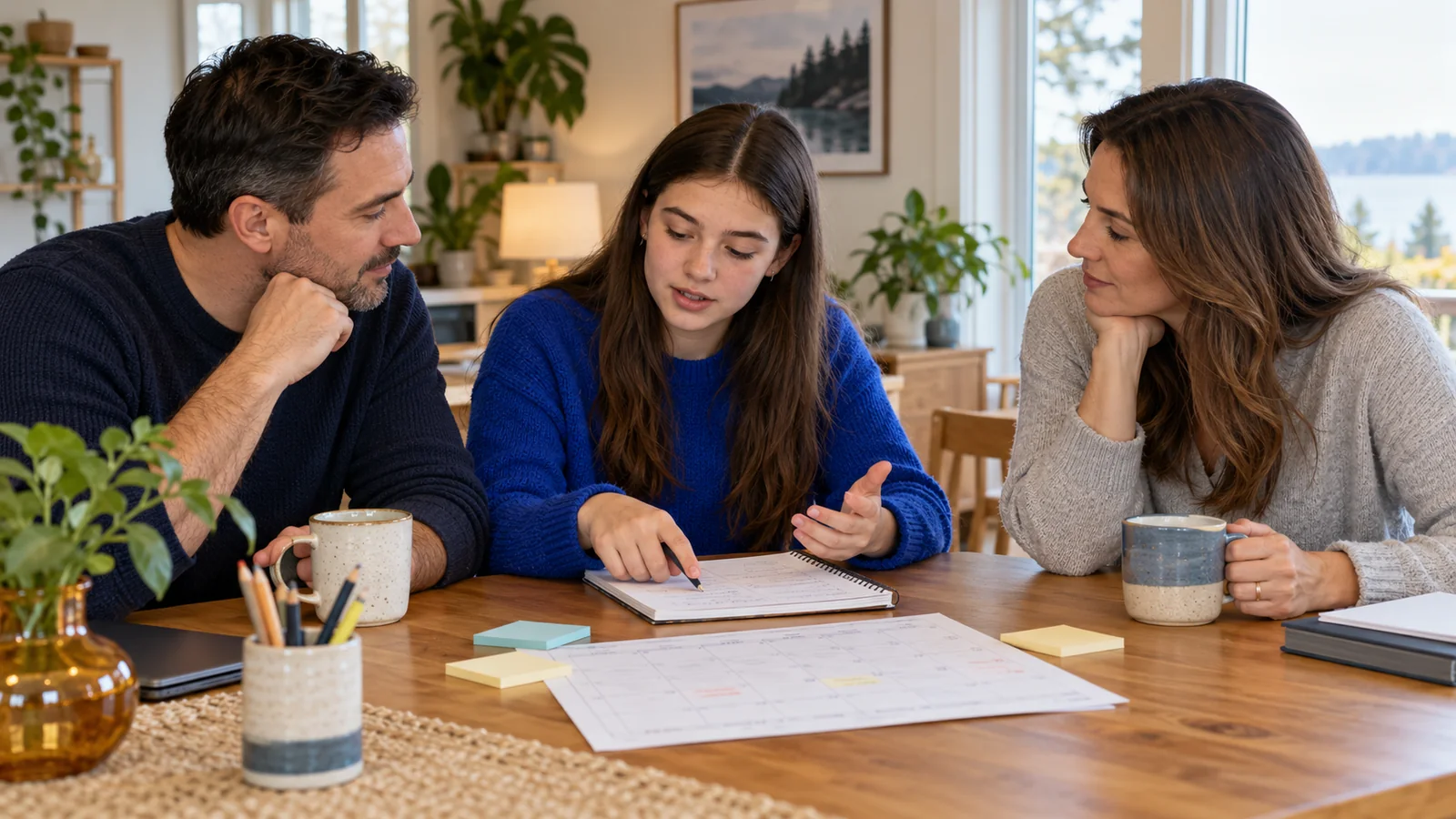
Choose a format the person can use: a short message, pictures of the place, a calendar entry or a conversation. Avoid adding so much information that the plan itself becomes another burden. Ask which details matter most to them.
Make the invitation easier to answer
Give the host’s contact, approximate duration, location and relevant access information. Where possible, explain whether people can arrive later, leave early or skip an activity. This allows guests to decide based on the actual event rather than guessing what attendance will require.
Ask about access needs privately and without demanding a diagnosis. A question such as “Is there anything about the space, food or activities that would help you take part?” can start the conversation. Confirm the arrangements you can make and discuss alternatives where needed.
Keep responses practical. If someone says they need a quieter place, do not turn the reply into a discussion of whether they really enjoy family company. A request for an adjustment is information about participation, not a judgement of the host’s effort.
- Choose: agree the parts that matter to the person.
- Arrange: make timing, access and alternatives clear.
- Adapt: allow a break, a change of activity or an earlier finish.
Check the setting, not just the activity
The National Autistic Society’s celebration guidance emphasises involving the autistic person, considering sensory and social expectations and allowing alternatives. Although written about Christmas, these planning questions can also inform other gatherings when adapted to the person’s preferences.
Walk through the space from arrival to departure. Consider where coats go, how people find the bathroom, where food is served and whether background sound makes conversation difficult. A room described as “quiet” may still contain a loud television or constant traffic from guests.
Agree how the quieter area will be used. It should be an available option, not a place someone is sent away for being inconvenient. For children, plan appropriate supervision without turning a break into a performance that everyone watches.
| Part of the event | Main plan | Possible choice to discuss |
|---|---|---|
| Arrival | Guests meet in the living room. | Arrive before the crowd or go directly to a familiar activity. |
| Food | A shared meal is available. | Have a known food and choose a comfortable seat. |
| Activities | A game or hobby is offered. | Watch, join briefly or choose another activity. |
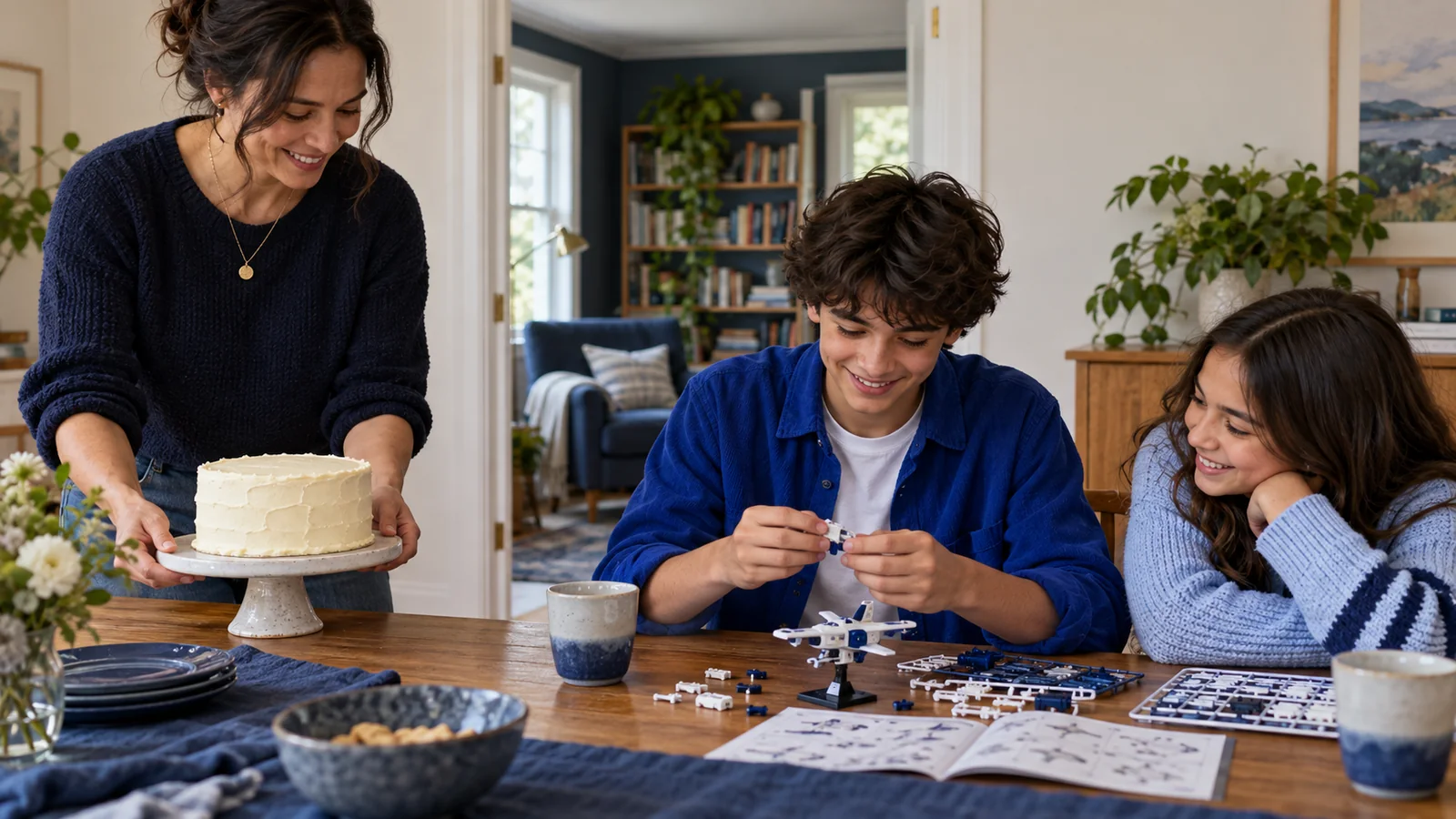
| Birthday moment | Cake and gifts are planned. | Agree whether singing, surprises or public gift-opening are wanted. |
| Departure | The event has an end time. | Leave earlier through an agreed transport plan. |
Keep food, greetings and photographs optional
Ask about food preferences and allergies through an appropriate private conversation. Make clear what will be available and whether bringing a suitable item is welcome. A celebration need not become a test of trying unfamiliar food.
Offer greetings that do not require touch. Someone might wave, say hello, use a device or join the activity without a formal greeting. Adults can model this casually so that a child does not have to defend the same boundary to every relative.
Ask before taking or sharing photographs. A person may want to attend but not be photographed, or may agree to a family picture without wanting it posted online. Clarify the specific permission rather than treating attendance as agreement to every use of an image.
Arrange help without assigning a child the job
If someone needs support during the event, decide which adults are responsible and how they will communicate. Do not assume a sibling or cousin will supervise because they know the person well. Children should have opportunities to enjoy the event in their own right.
For an autistic child, the NHS guidance on everyday support encourages attention to individual needs, preparation for changes and avoiding pressure to join uncomfortable activities. A gathering plan can apply that approach by offering support and choices rather than requiring visible participation throughout.
Agree a simple way to ask for a break or leave. The plan might be a word, message or gesture already used by the person. Make sure transport and essential belongings are accessible so that an earlier departure is a real option rather than a promise that cannot be carried out.
Notice what the person says about the experience
During the event, check in discreetly and avoid repeatedly asking whether they are having fun. Someone quietly reading near family may be enjoying the occasion, while someone smiling may still want a break. Ask in the person’s preferred way and respect the answer.
Afterwards, leave time for rest before reviewing the plan. Ask what they would keep or change next time. Record a few useful details, such as a good arrival time or an activity they wanted more of. Do not measure success only by minutes stayed, photographs taken or how closely the party matched tradition.
Common questions
Does every autistic person need a small party?
No. Ask the individual. Some enjoy large or lively gatherings; others prefer a different setting or duration.
Is it acceptable to skip the party?
Yes. Discuss another way to mark the occasion if the person wants one, without treating refusal as a failure.
Should we practise every social interaction?
Only use preparation that the person finds helpful. Information and choice can be more useful than rehearsing a performance.
Can someone attend only the activity they like?
If practical, make that option clear with the host. Agree arrival, departure and support arrangements.
What should a quiet space be like?
Ask the person what helps. Check actual noise, lighting, privacy and access instead of relying on the room’s label.
Must children hug relatives?
No. Offer greetings that respect personal boundaries and let adults explain the shared expectation politely.
Should gifts be a surprise?
Ask the person. Some enjoy surprises; others prefer knowing what to expect or opening gifts privately.
Can a sibling be responsible for support?
Do not assume that role. Adults should arrange appropriate support and protect each child’s opportunity to enjoy the event.
What if plans change on the day?
Explain the change clearly, offer the available options and allow time to respond.
How do we know the gathering worked?
Ask the person what felt worthwhile and what should change. Their experience matters more than conventional party expectations.
Sources
Primary organisation and public-health guidance checked on 22 October 2026. The event worksheet and examples are editorial planning suggestions; preferences and support needs vary.